
Class 43 High-Speed Trains
Mid Norfolk Railway & Rail Tours.
Sir Kenneth Grange
17 July 1929 – 21 July 2024

The Class 43 HST, the InterCity 125
I would be lying if I said I had no interest in this class of locomotive; honestly, it was the InterCity 125 that first sparked my interest in railways, along with the Class 47s at King's Lynn during the days before electrification along the Fenline.
Many years ago, in the 80s (yes, I am showing my age), while on holiday, my dad took me to watch trains at Bristol and Bath Spa. But we were there specifically to see the Class 43 HST.
While on the platform at Bristol, one of the train drivers kindly allowed us both into the cab and let me sit in the driver's seat. Imagine that today! Honestly, that was it—the geek inside me was unleashed, and I became a dedicated railway fan. I must have been around 8 to 10 years old. Sitting in the driver's seat is a memory I still cherish some 40 years later.
Another memory is hearing the Class 43, which, at the time, featured the Paxman Valenta V12 78.96-litre, 2,280-horsepower engines, that scream as it departs.
Anyone from that era will remember the noise.
A bit of history— the Class 43 HST was built from 1975 to 1982 with parts designed by Sir Kenneth Henry Grange at Derby under British Rail Engineering Limited, and assembled in Crewe. It has been in service in the UK since 1976 and still holds the world’s diesel speed record today.
The HST ran on the East Coast Mainline as well as on mainline services across the UK at a maximum operating speed of 125mph. Over time, class 43 locomotives have been withdrawn from service; many units have been scrapped or stored, though a few companies still use these iconic locomotives.
The last operators of these locos include Scotrail and Great Western Railway, as well as Network Rail, with their nickname 'Flying Banana', for track testing.
Great Western Railway has recently stopped using the Class 43.
Some units have been preserved, while others have been cannibalised for parts. A few ended up in storage at Ely and the Mid Norfolk Railway, with some preserved by heritage railways.
So, here we are, over 40 years later, still loving this iconic British locomotive. And let’s be honest—any one of these units shown on this page could have had a young lad from Norfolk, heading west, sitting perhaps in the seat of one of these legendary locomotives seen below in the 1980s.
Mid Norfolk Railway.
22.3.25 visit
In early 2025, a collaboration between the Mid Norfolk Railway and the Romic Group led to the storage of several Class 43 High-Speed units along the Mid Norfolk Railway. These units were awaiting either export to Mexico via Great Yarmouth Docks or disposal for scrap.
During the Mid Norfolk Railway’s 30th-anniversary weekend festivities, a vintage Great Western Railway set, along with four coaches from the Romic Group, was showcased.
Many more units have since passed through the Mid Norfolk railway.
Units running.
43-194
43-153
All photographs depicted below were captured on March 22, 2025.
Dereham


Thuxton
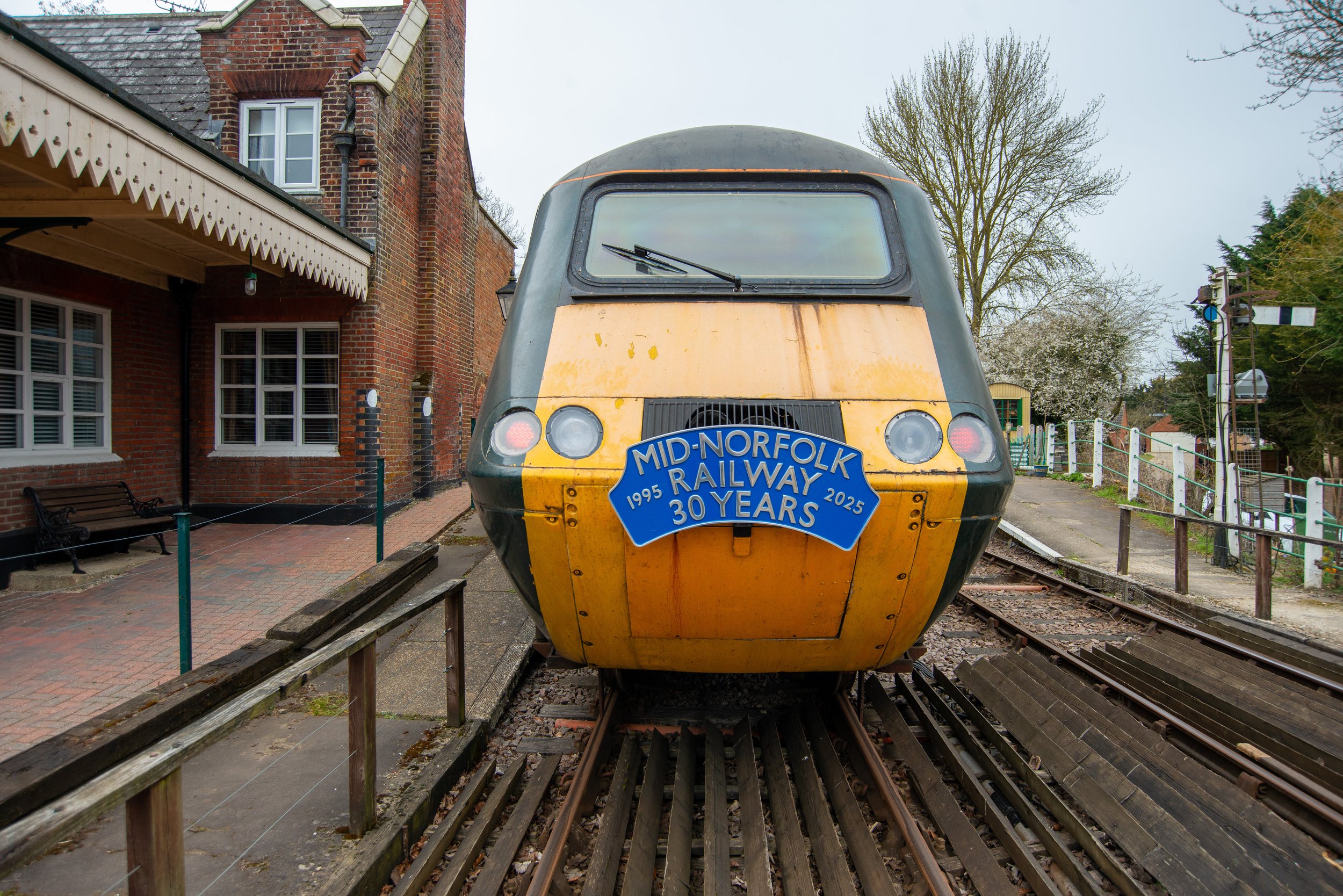

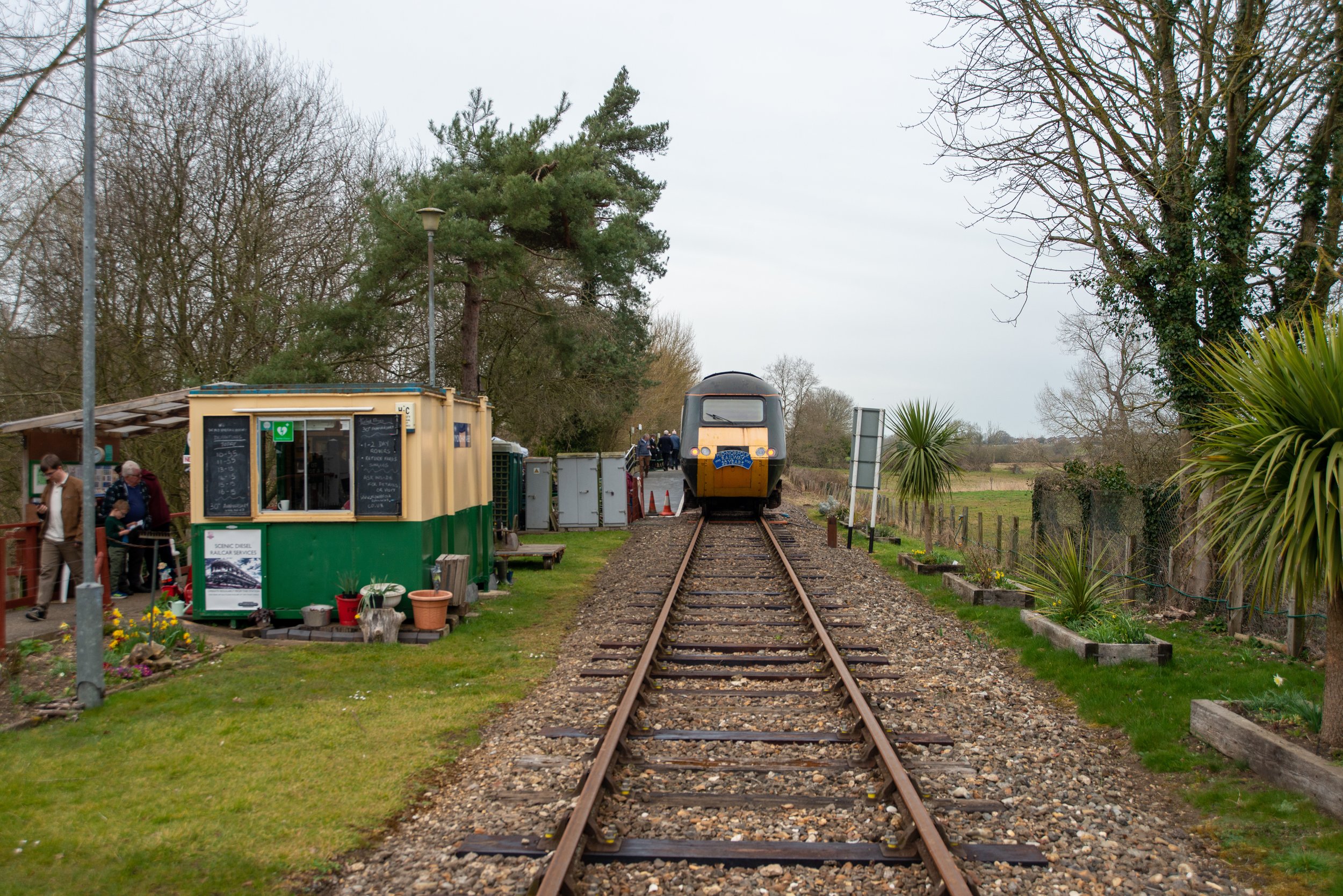
Kimberly Park

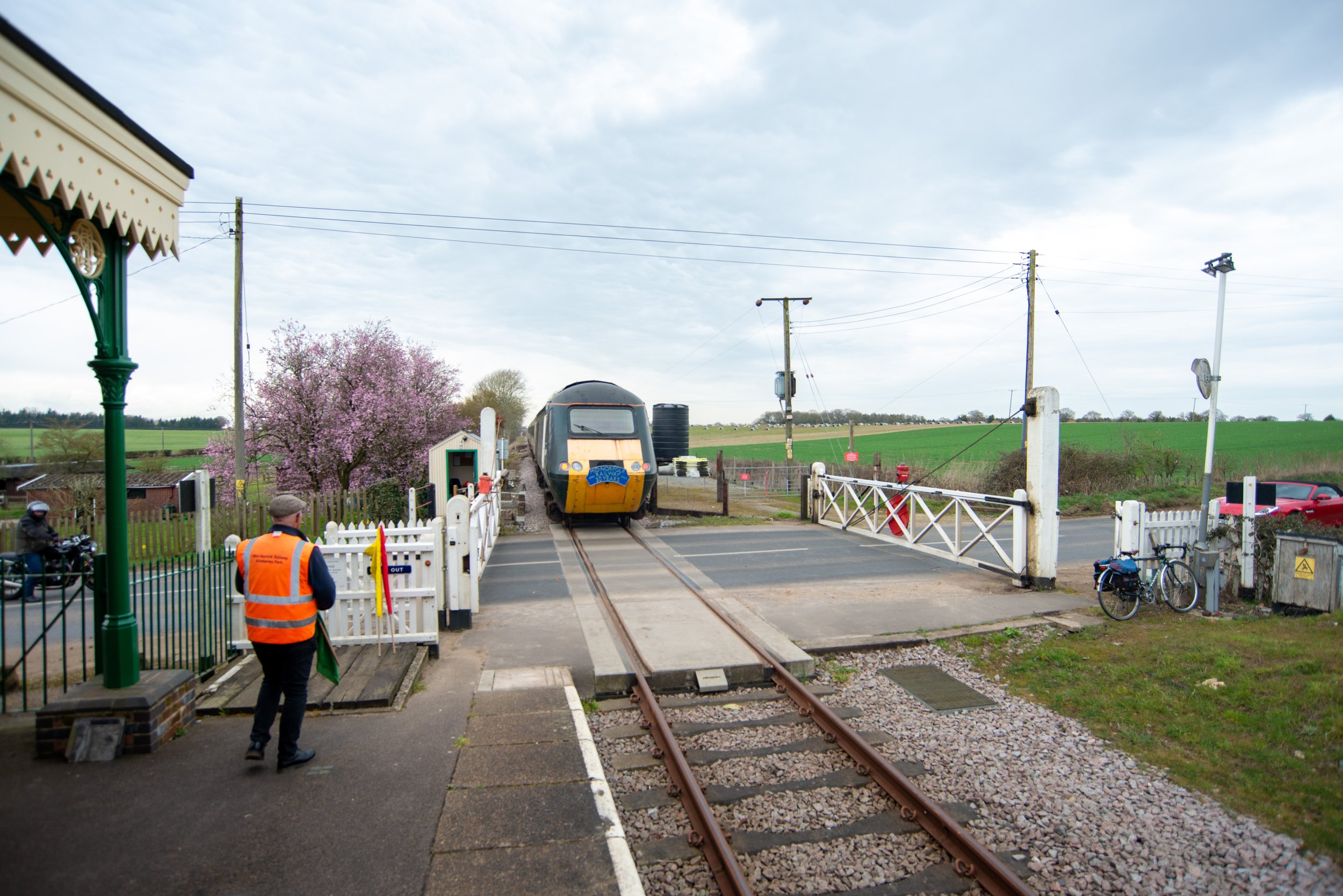
Wymondham Abbey


GWR Sign

Mk3 carriage interior.


Romic mk3 carriages.


Three more units were stored at Dereham that weekend
43027 GWR
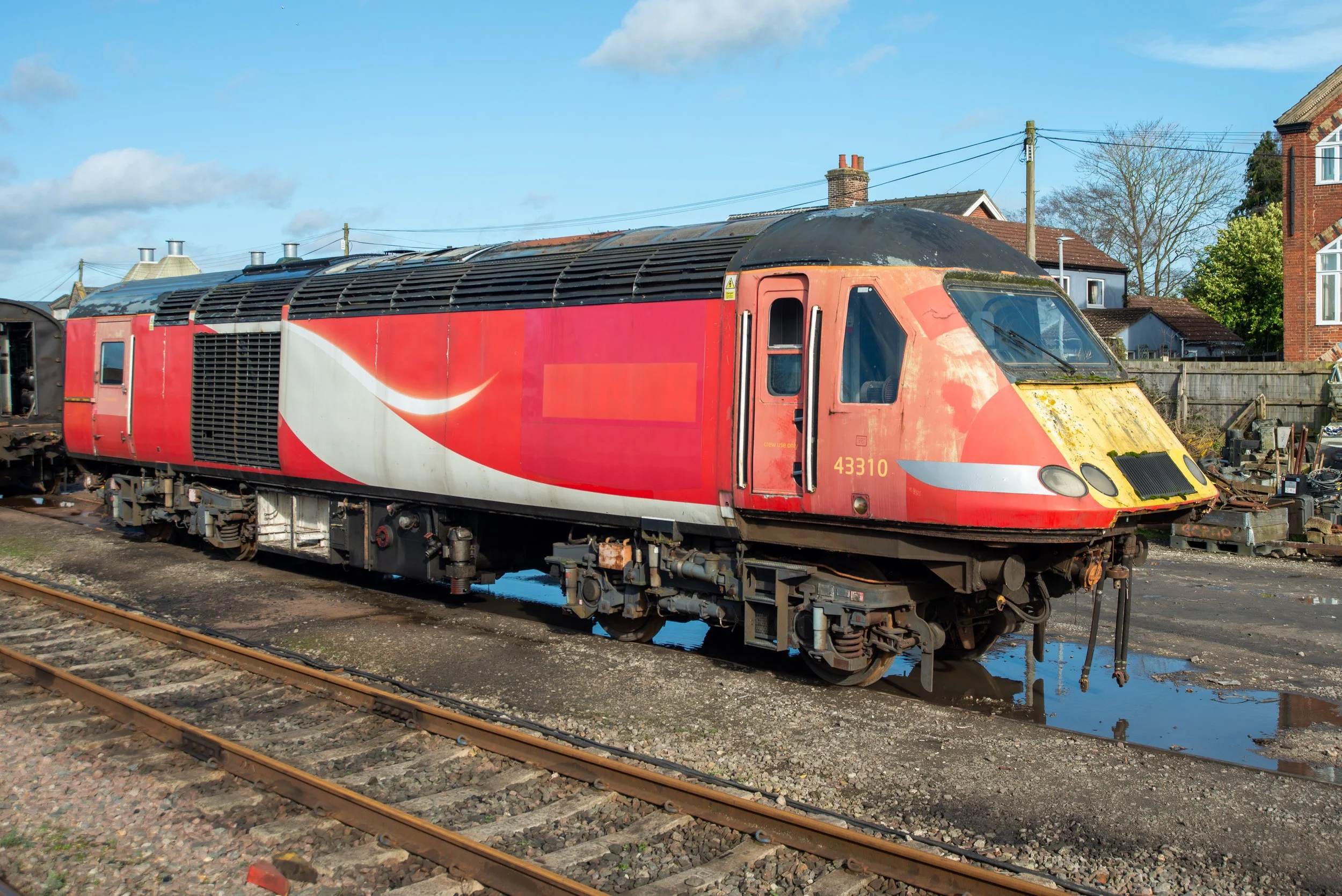
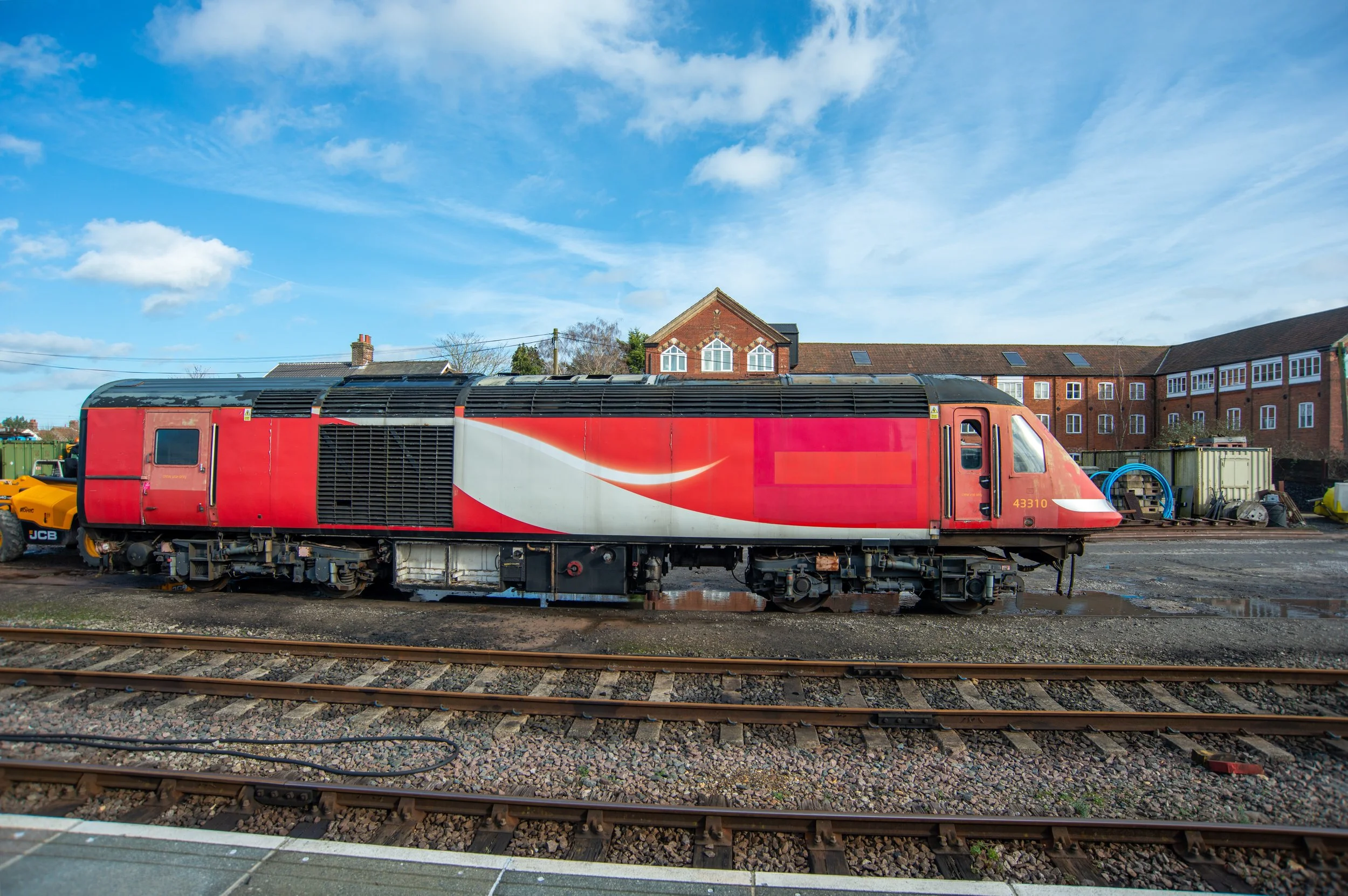
43311
43315
43027 GWR Stabled at Dereham


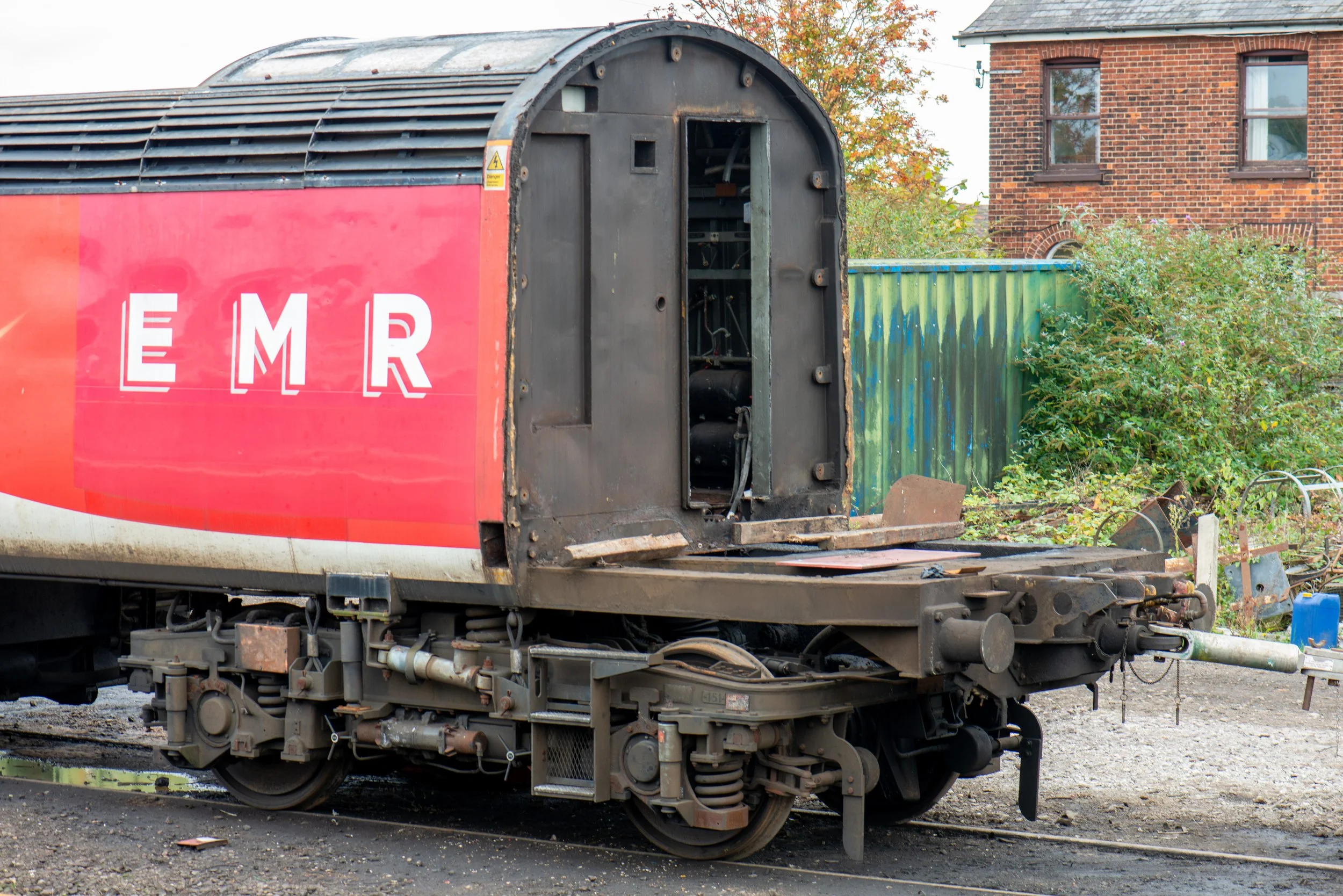
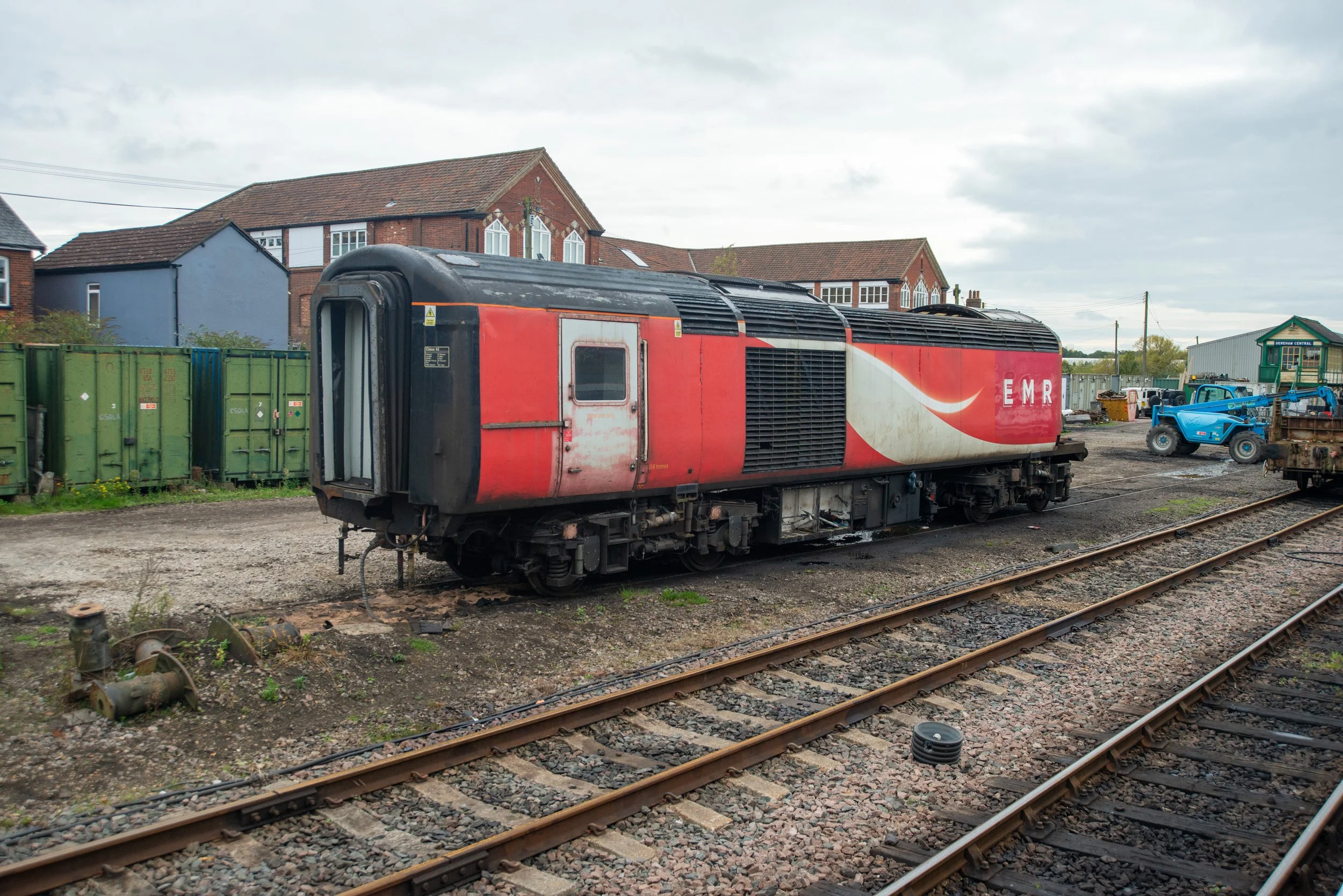
Units 43311-43315 are ex-EMR East Midlands Railway power cars that have been neglected compared to the Great Western power cars and appear to have had many parts removed, including the lighting systems and the engine unit through the roof on 43315.
43311


43315


43191 First Great Western Photographed at Kimberley Park sidings.

29,3,25 visit.
All photographs shown below were taken on 29 March 2025, at Dereham.
43-191 First Great Western.
This unit was recently moved from Kimberley sidings to Dereham.


43191 coupling system connected up to a class 47 No-47367


43-174 First Great Western


47-367
Used for shunting.
This unit has since been sold.
Stratford 47 Group owned unit


47637 has since been sold to another heritage railway
Other units that passed through Dereham en route to Great Yarmouth docks for export, which I could not photograph due to their short stop at Dereham and the Mid Norfolk Railway being closed midweek, were numbered.
43160
43238
43319
43312
43162
43194
43153
25.5.25 Visit.
In late May, more units were moved to the Mid Norfolk railway from Ely sidings.
43314
43317
43318
25,5,25 Diesel gala revisit
During the May diesel gala, I managed to photograph unit 43318 and the rear of 43314 from the carriage as we passed Thuxton sidings.
43318

43314

Ex-GWR units 43174-191 are still stored at Dereham. Since my last visit, more parts, including the engine, roofing, and lighting systems, have been removed.
43174
25th May 2025


43191
25th May 2025


Class 43 Coupling system.
18,10,25 Visit.
On 18 October 2025, I revisited the Mid Norfolk Railway for the unveiling weekend of the new Romic HST. While there, I managed to photograph 43 314 and 43 310 at Dereham. 43 314 was in poor condition and is now used as spares; her cab had been removed, leaving the locomotive looking very forlorn.
43310 Dereham


43314


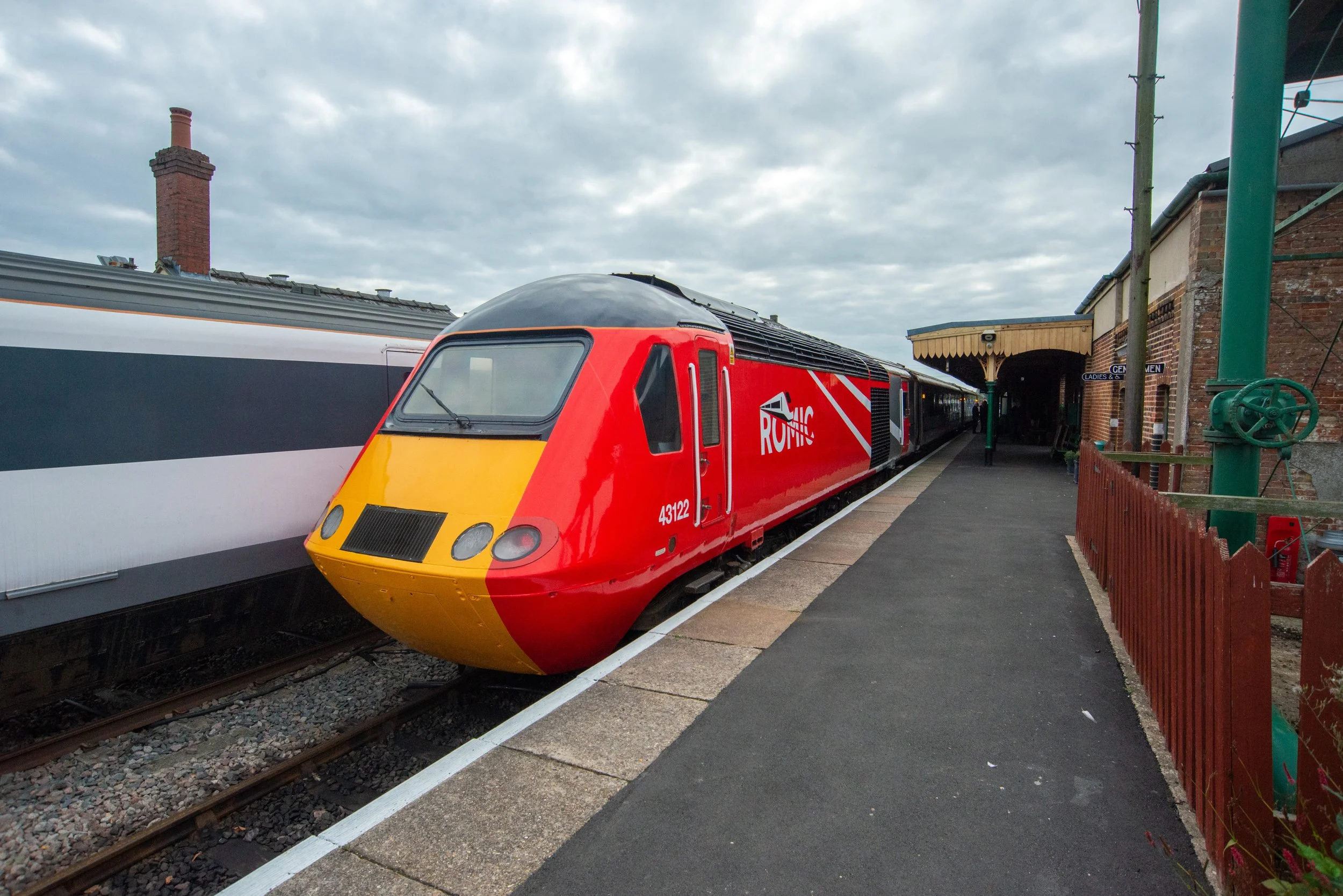
Romic 43112 & 43094
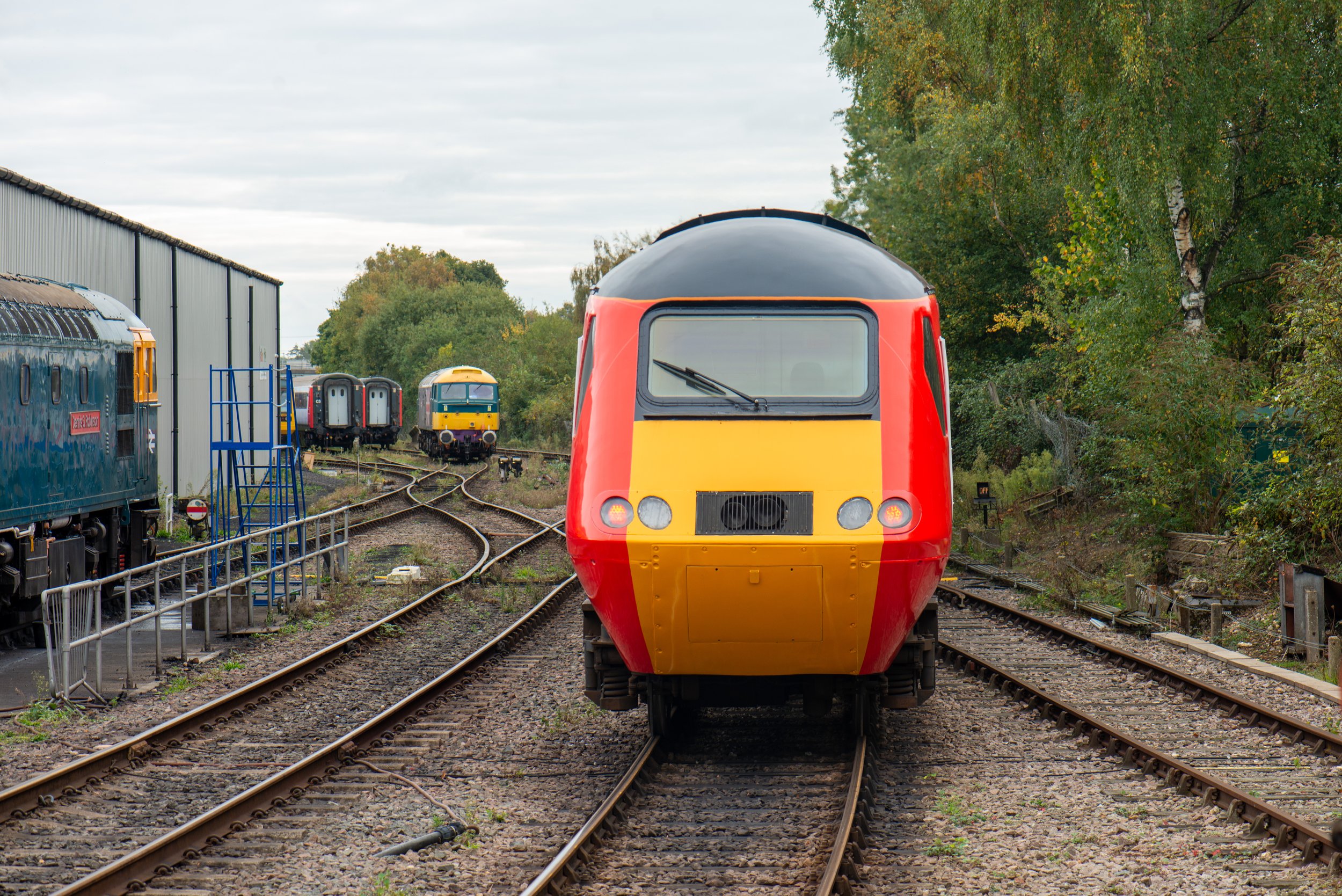
Romic units 431120-43094 sat at Dereham awaiting departure to Wymondham Abbey on the first public running day and close to the end of the Mid Norfolk's summer running season and the start of preparations for the Christmas Polar Express season.
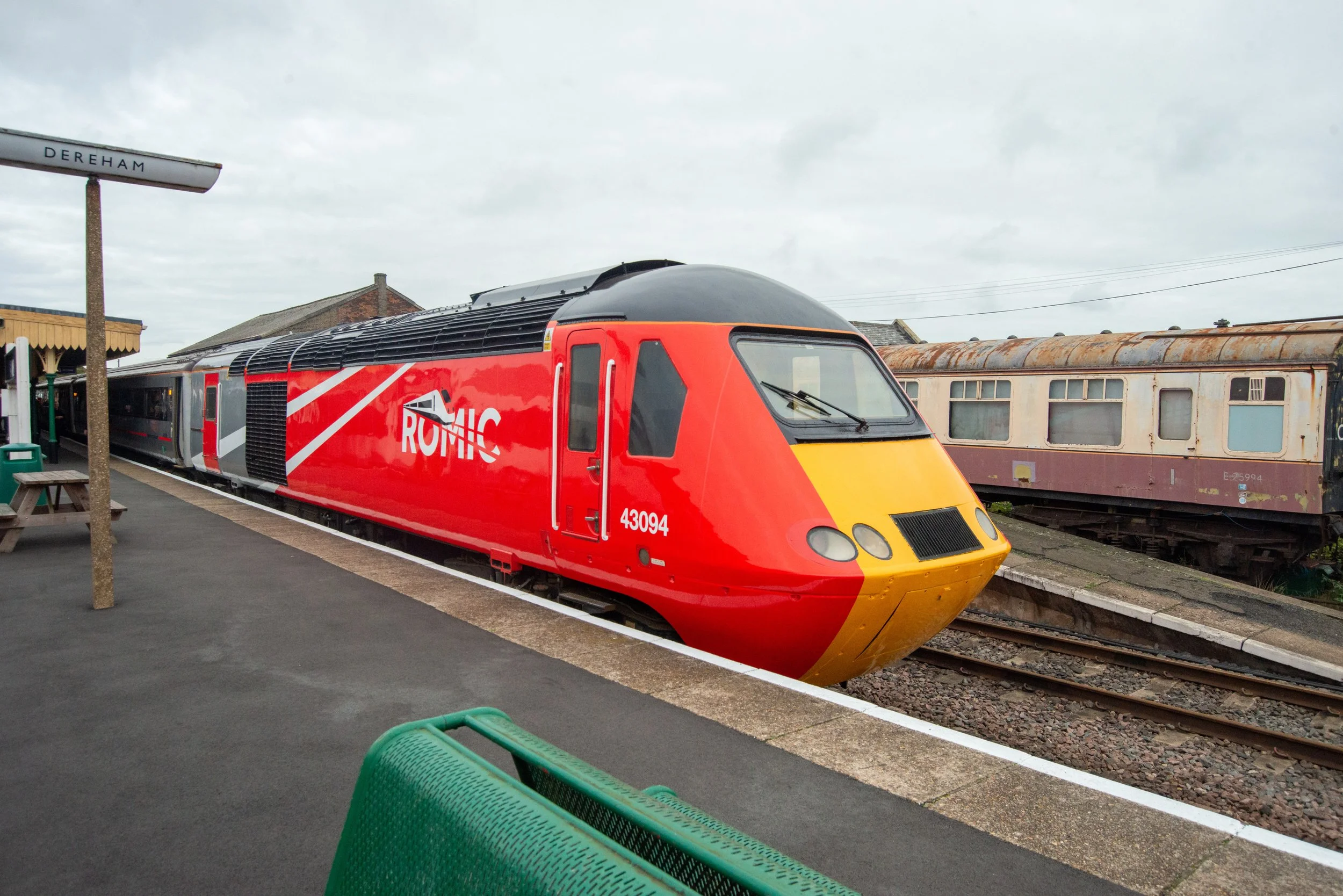

43094 at Dereham during the Polar Express 2025. This photo was donated by Craig Doig while volunteering for the Mid Norfolk Railway for the Polar Express season.
Thanks, Craig.
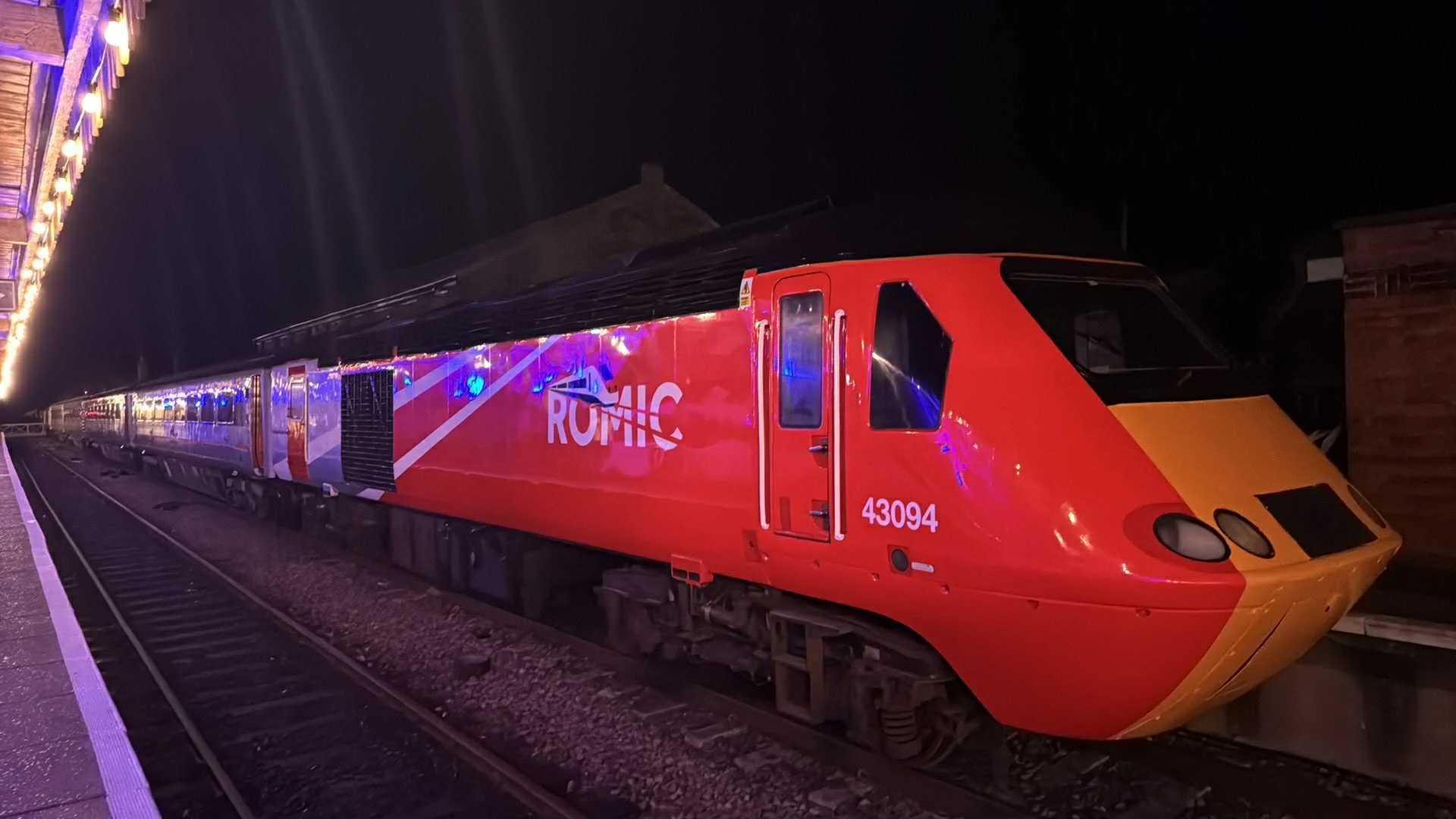
©Craig Doig
22.2.26 Visit.
On Saturday, 13 December 2025, GWR retired the last of its Class 43 locomotives from its Laira depot, marking not only the final public running day of GWR’s Class 43 fleet but also the end of Class 43 mainline operations in England, with only Scotrail still running services at that time.
As of writing, Scotrail continues to use this class, but they will withdraw the Class 43 in 2026.
GWR Castle class arrive at Dereham.
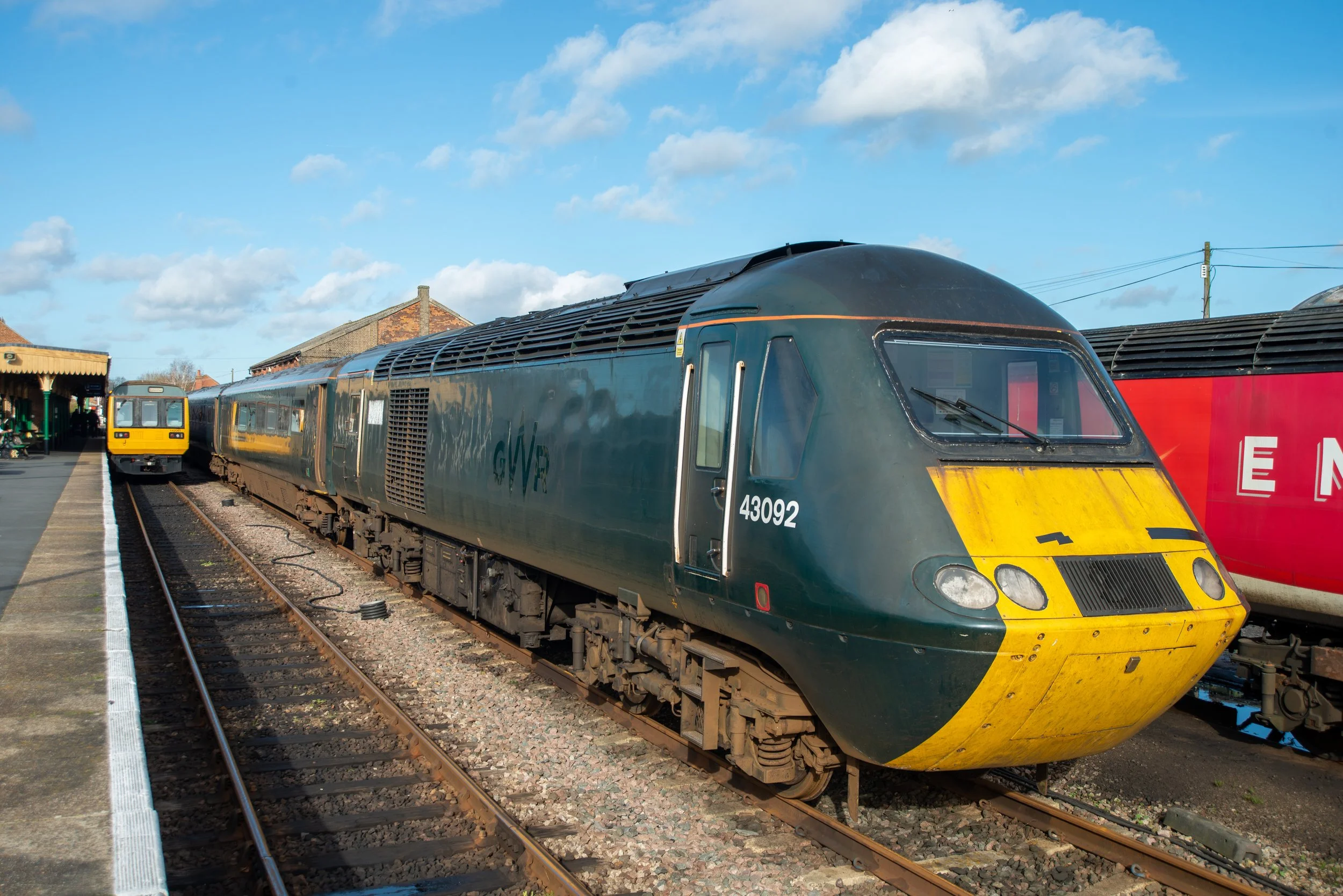
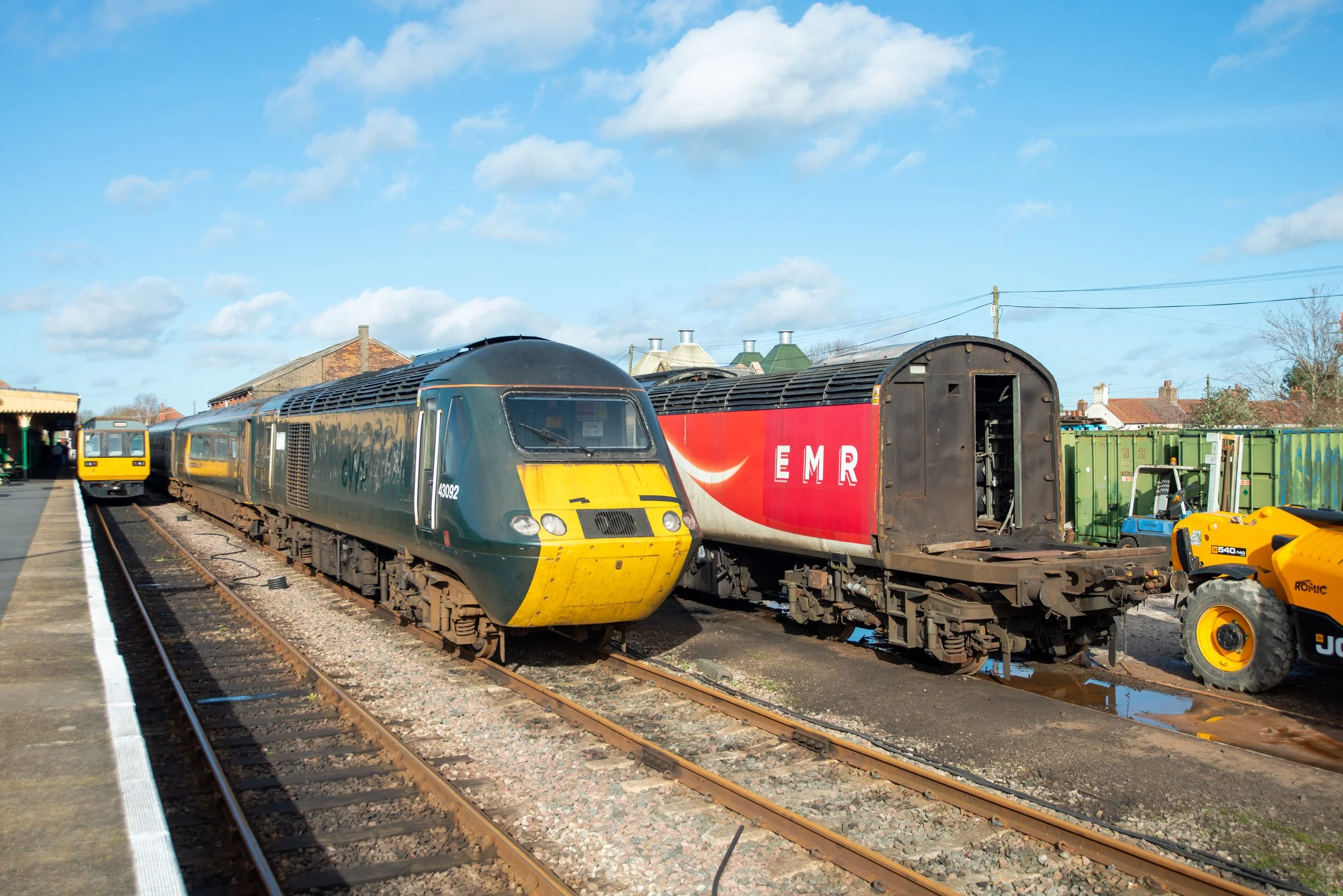
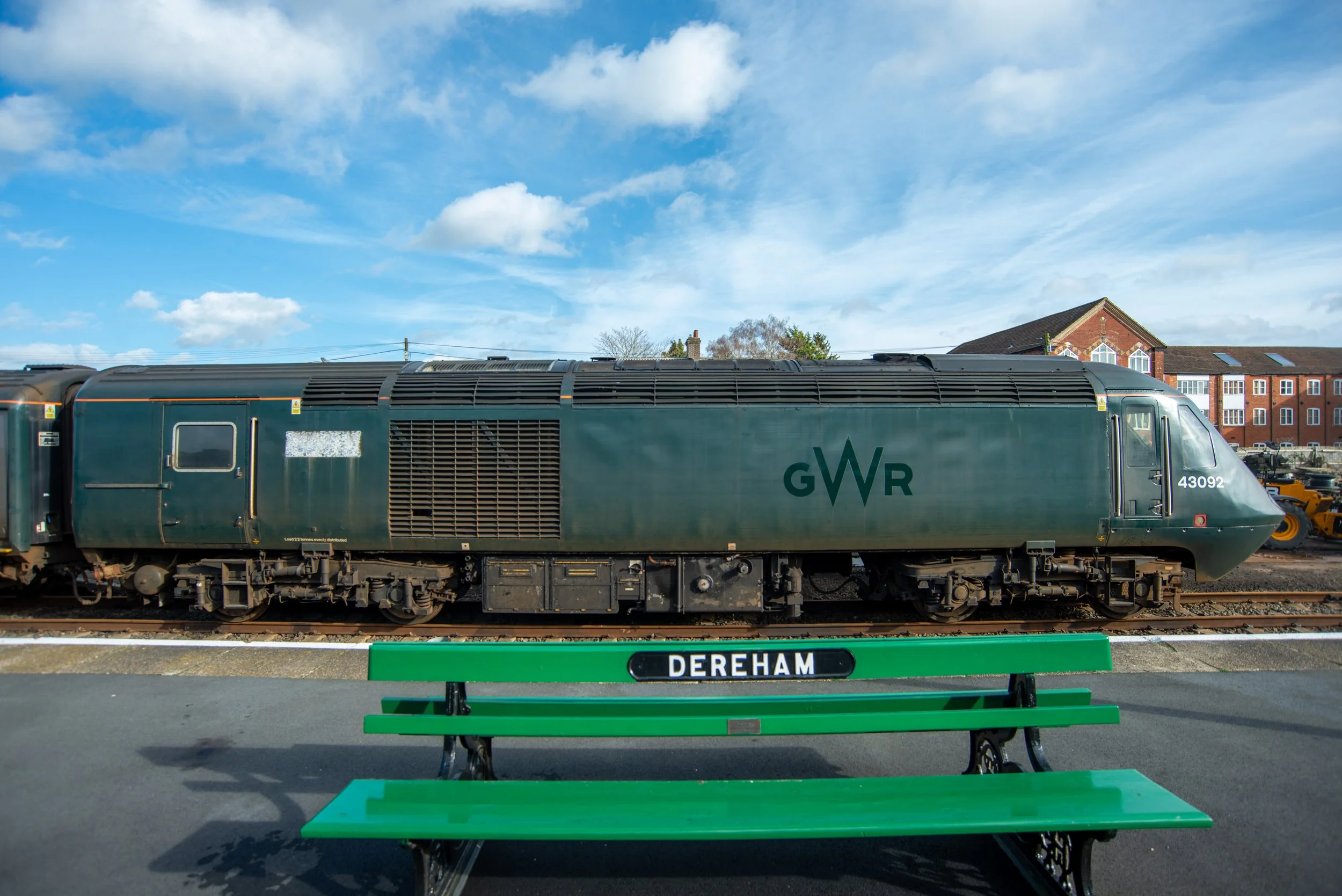
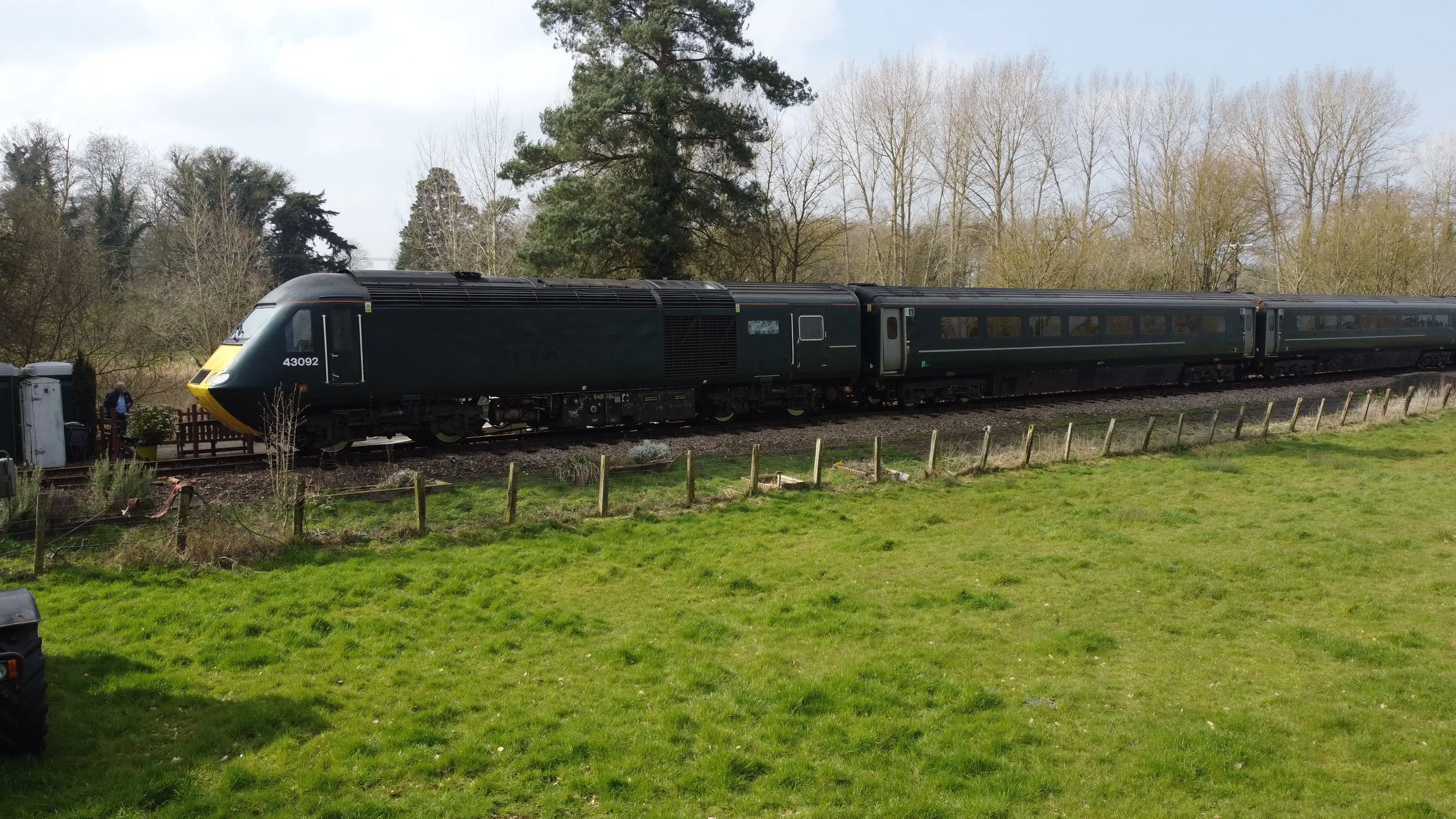
43092
43093
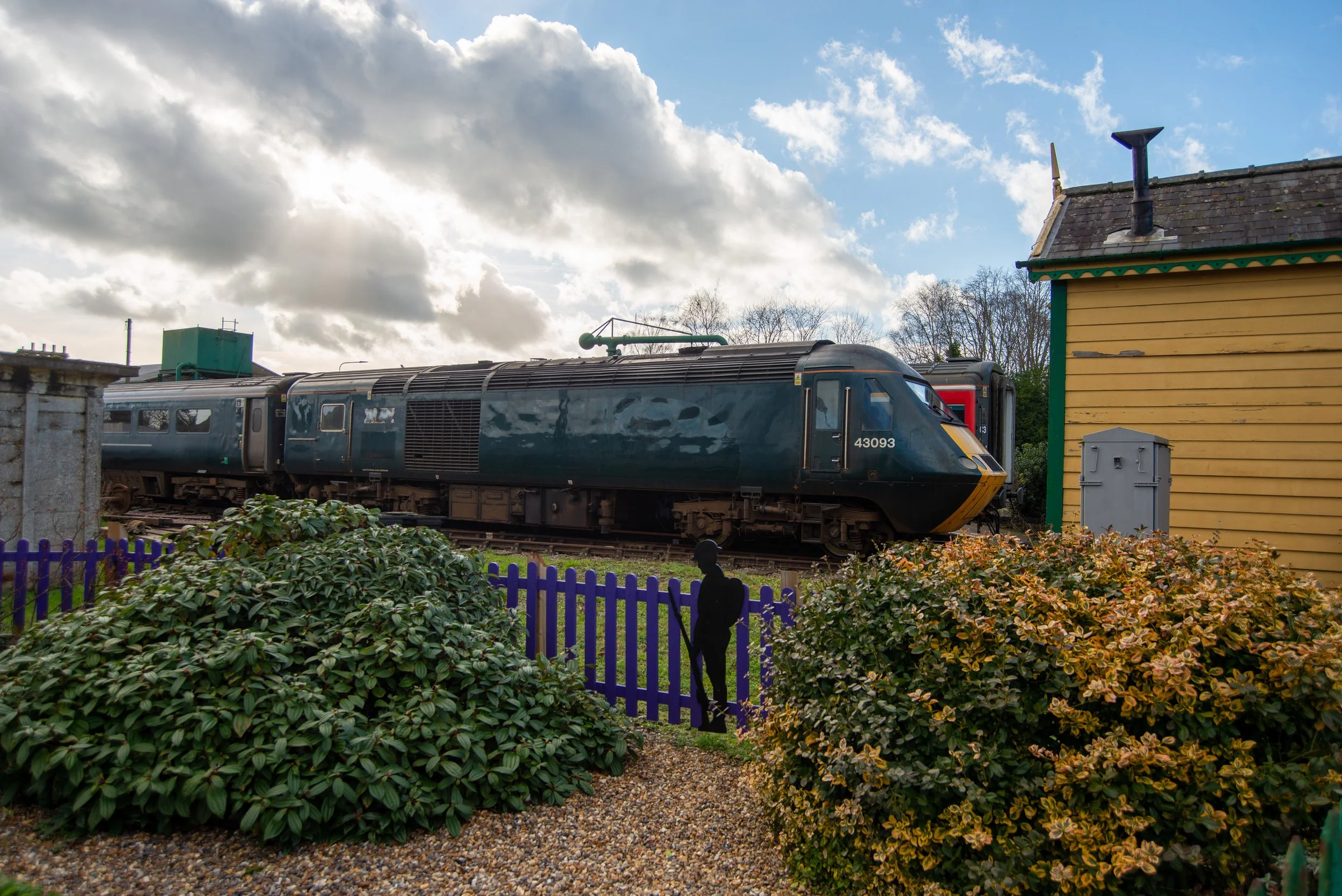
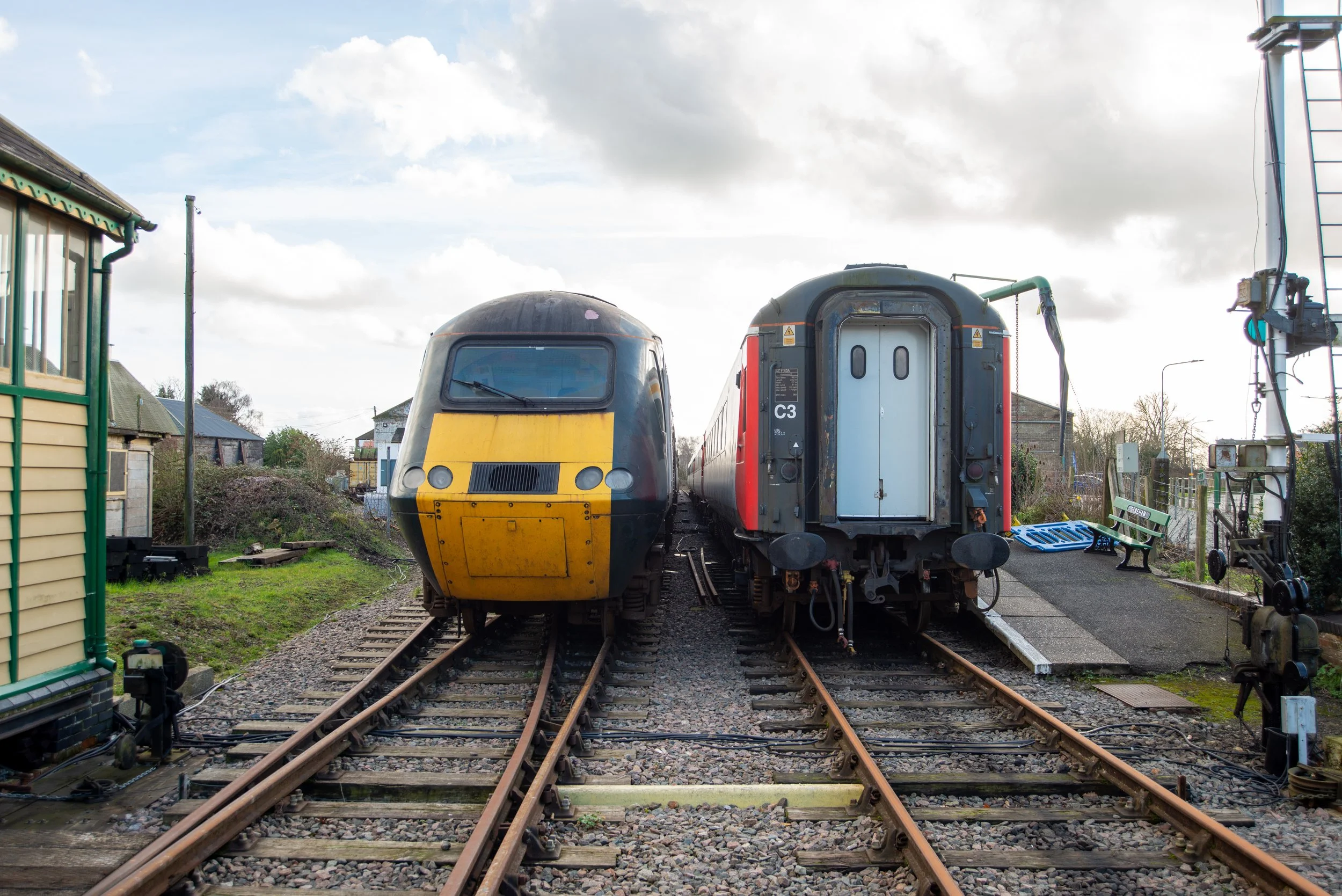
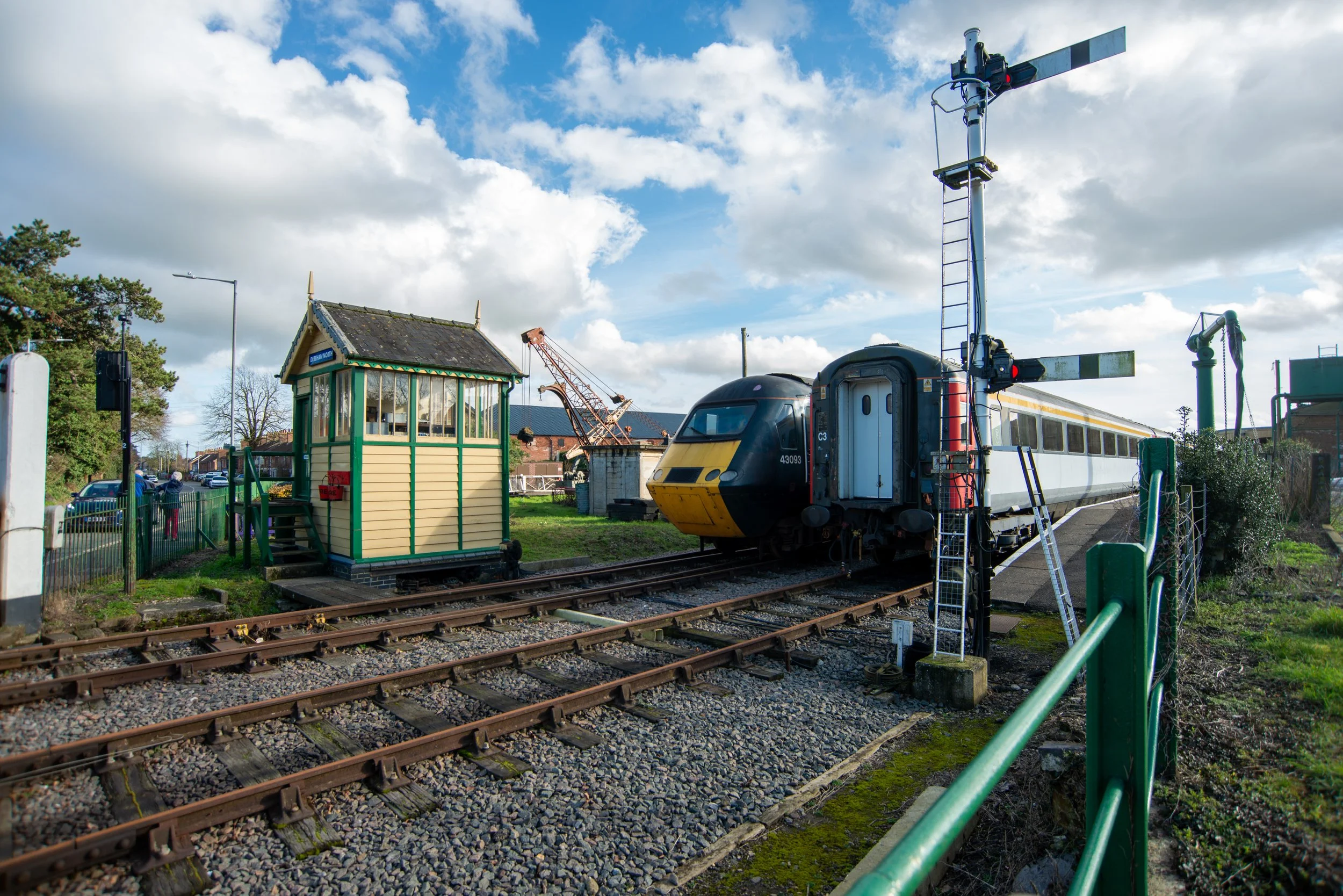
43092 sits along 43310-43314, which still remain at Dereham, with more parts removed with each visit.
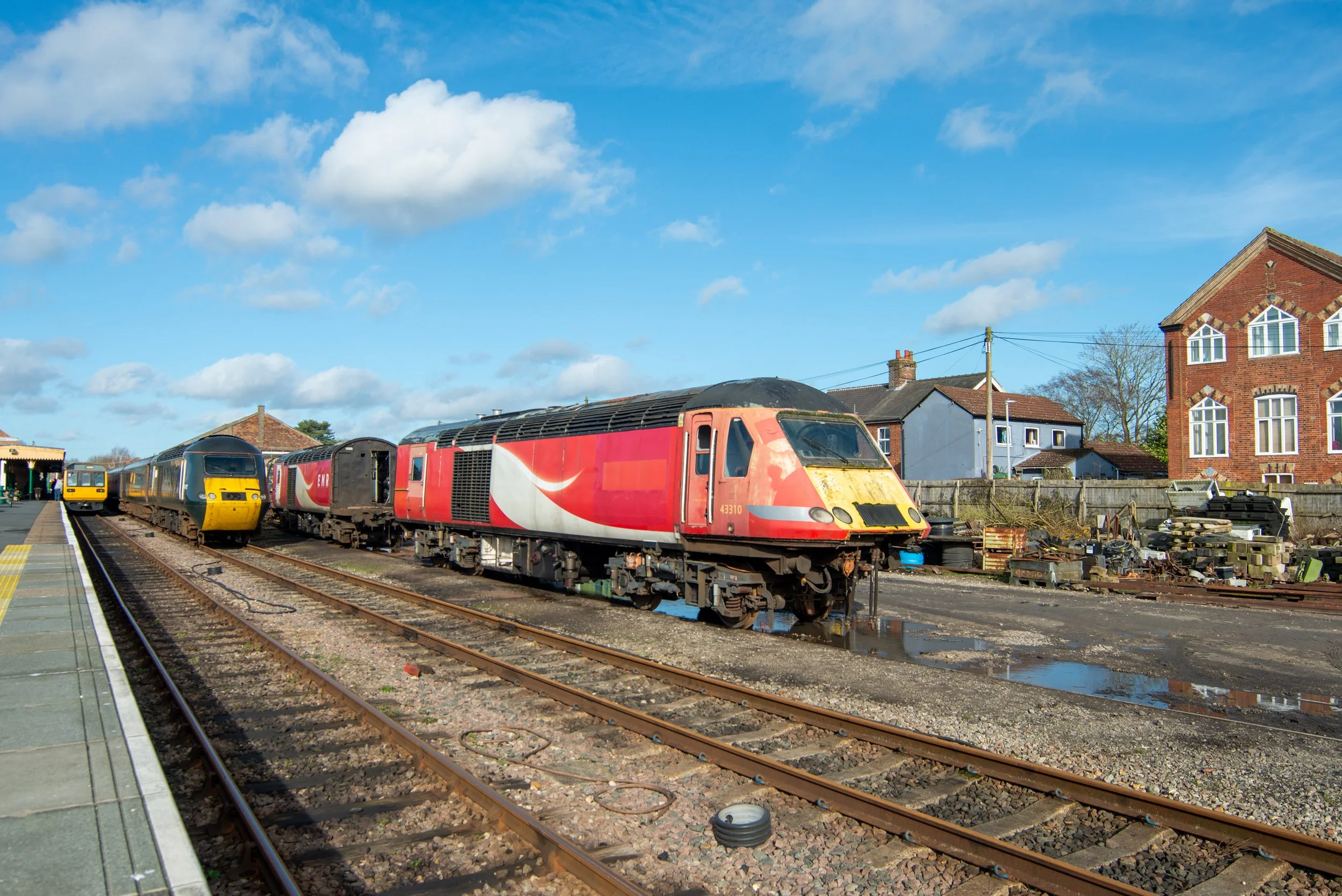
43310
22.3.26 Visit.
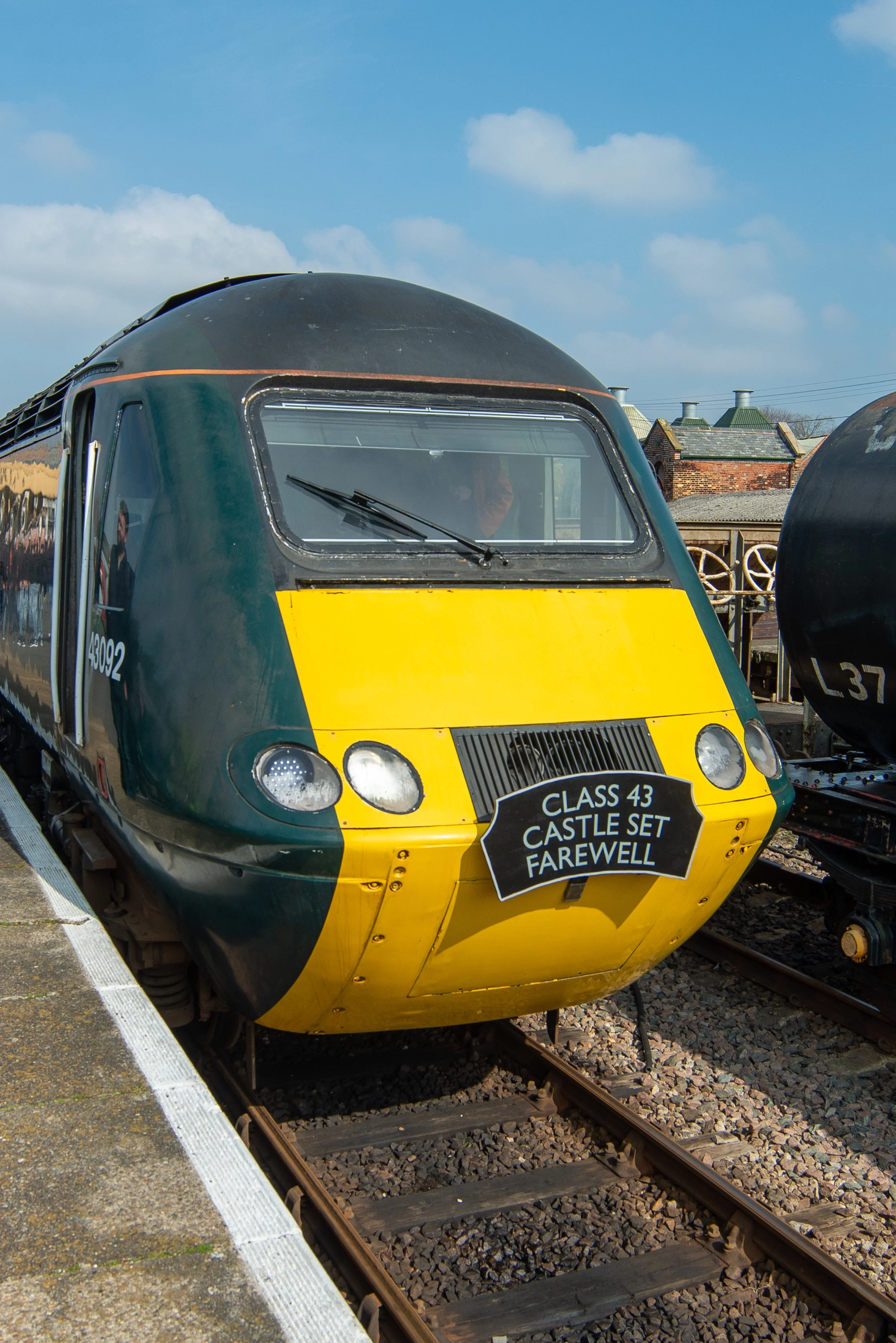
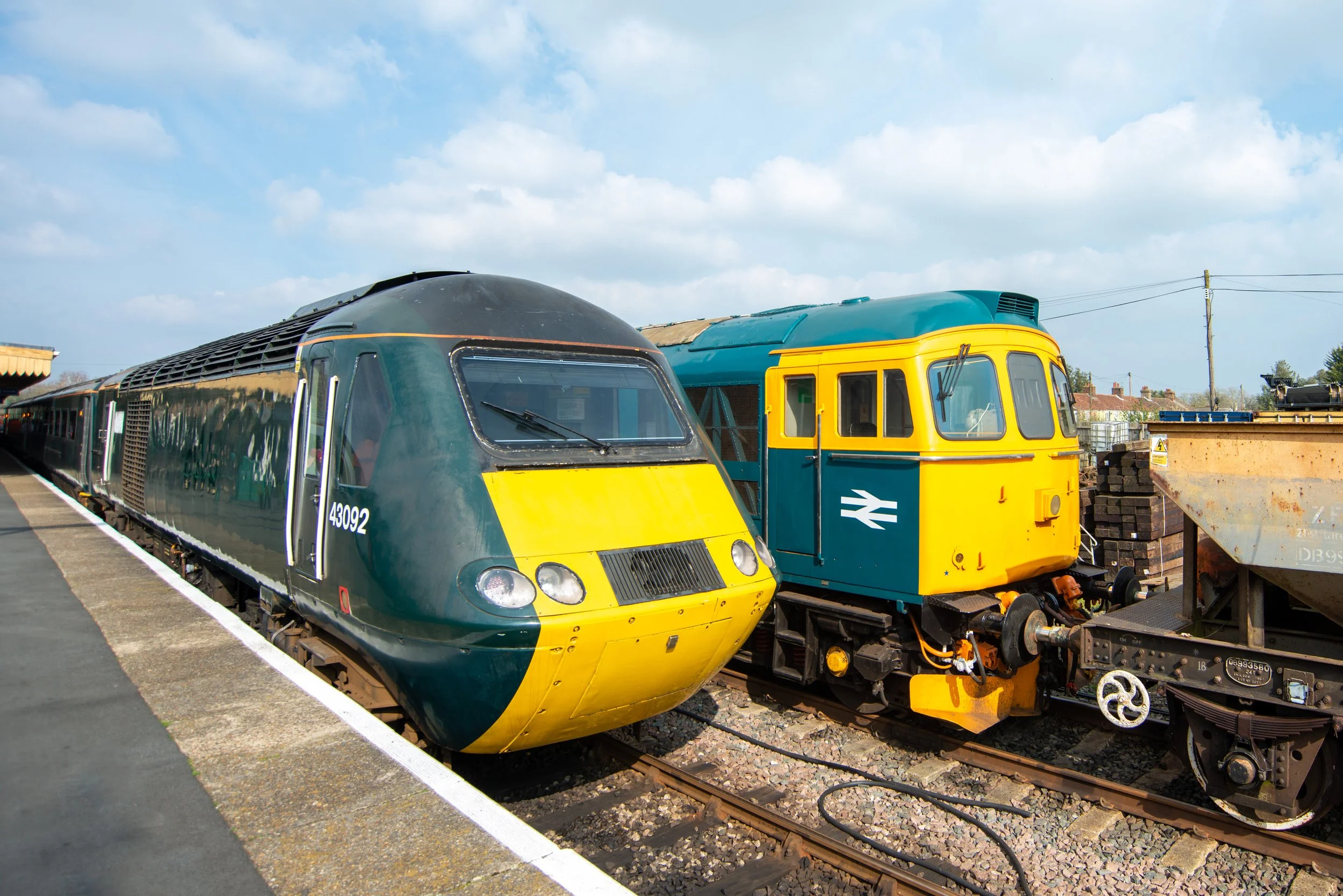
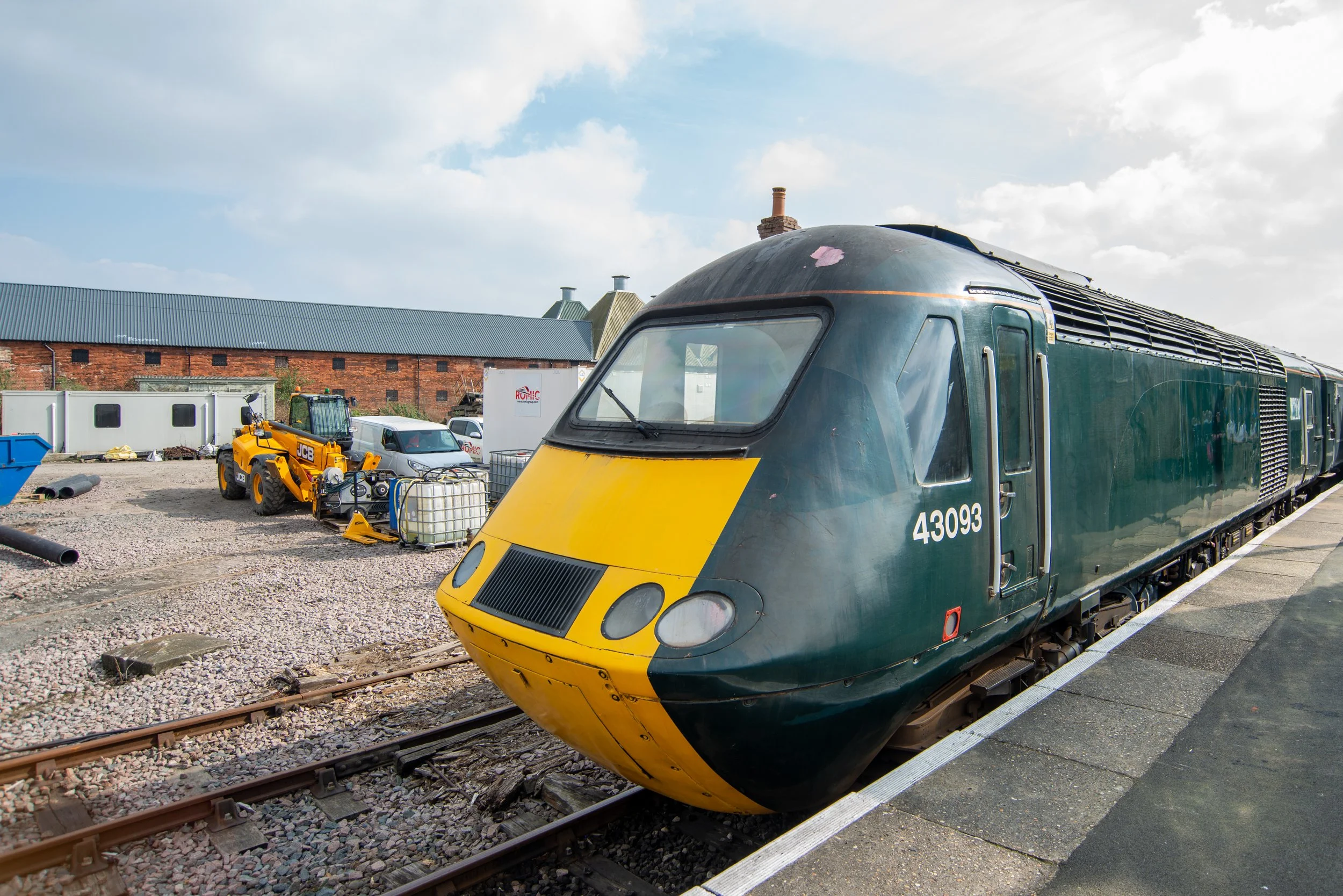
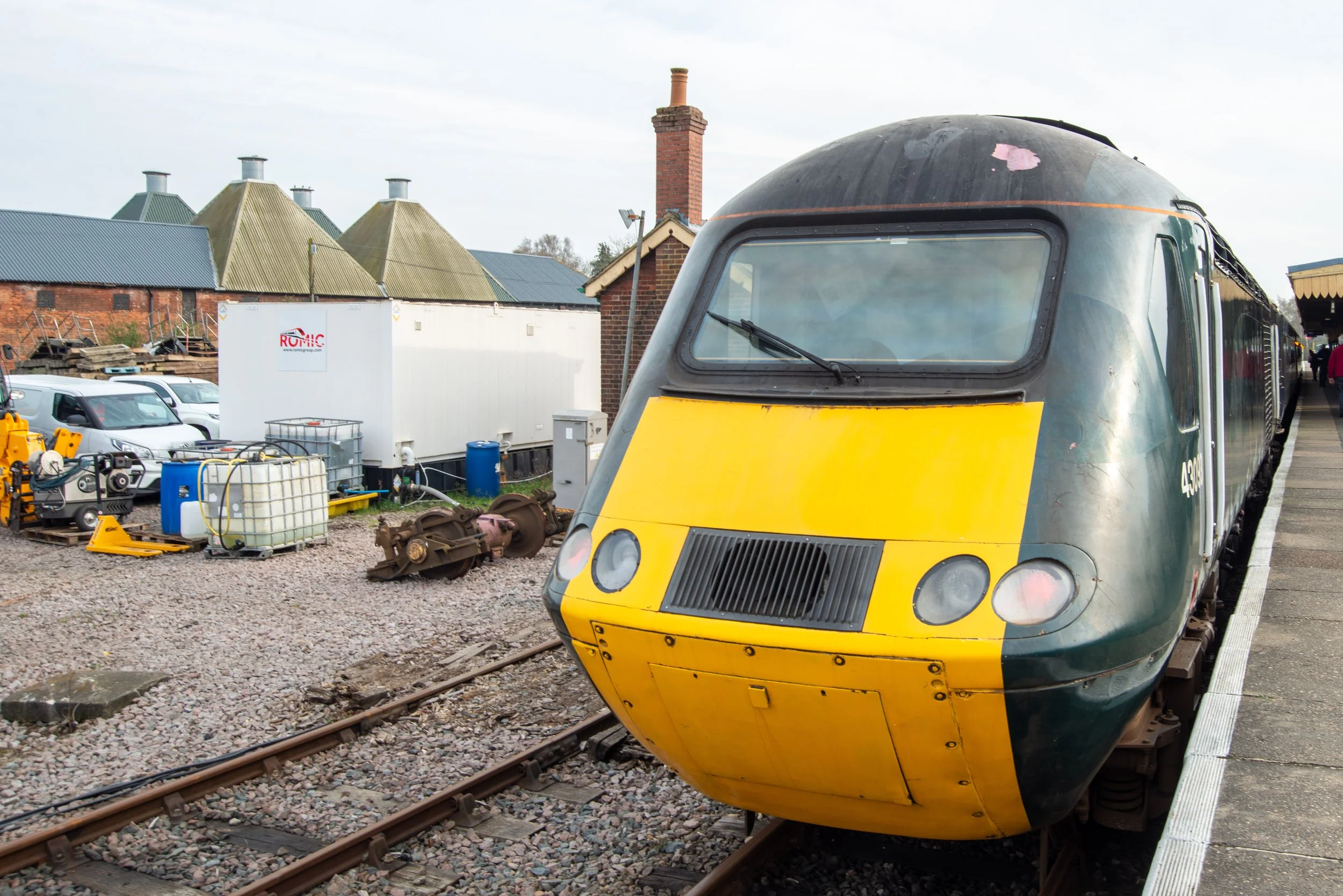
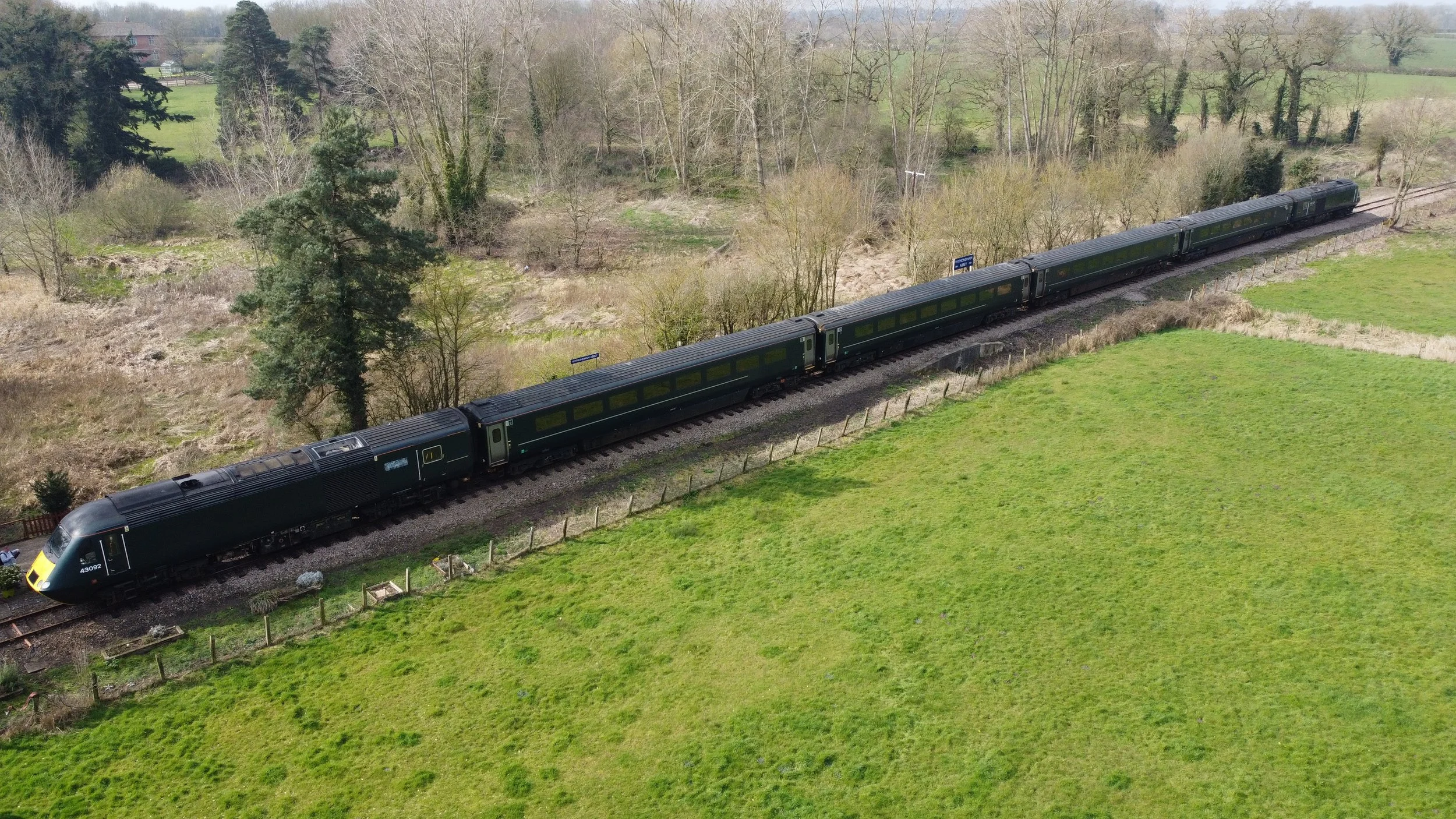
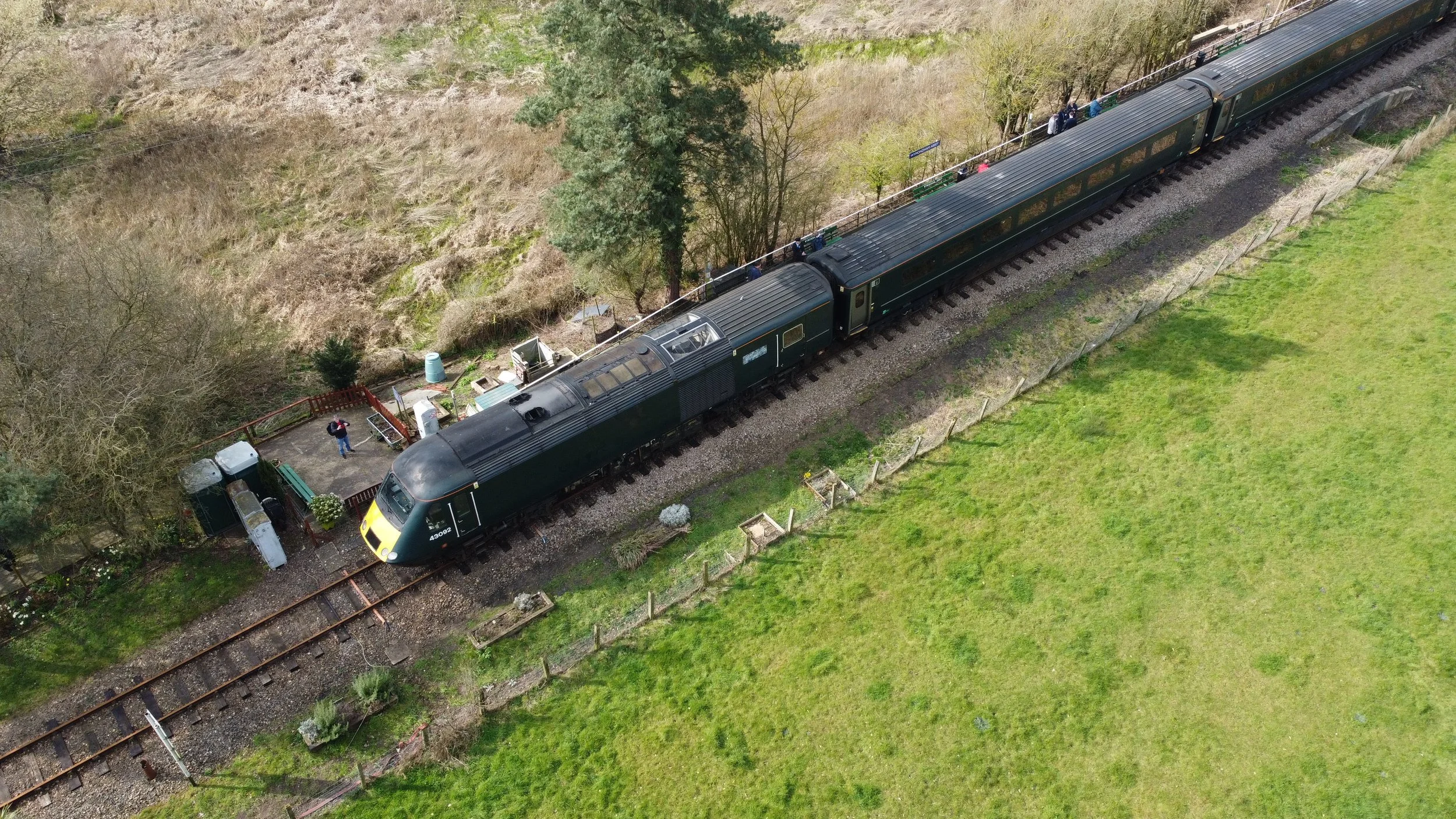
43092-43093 Ex GWR Castle set.
Dereham.
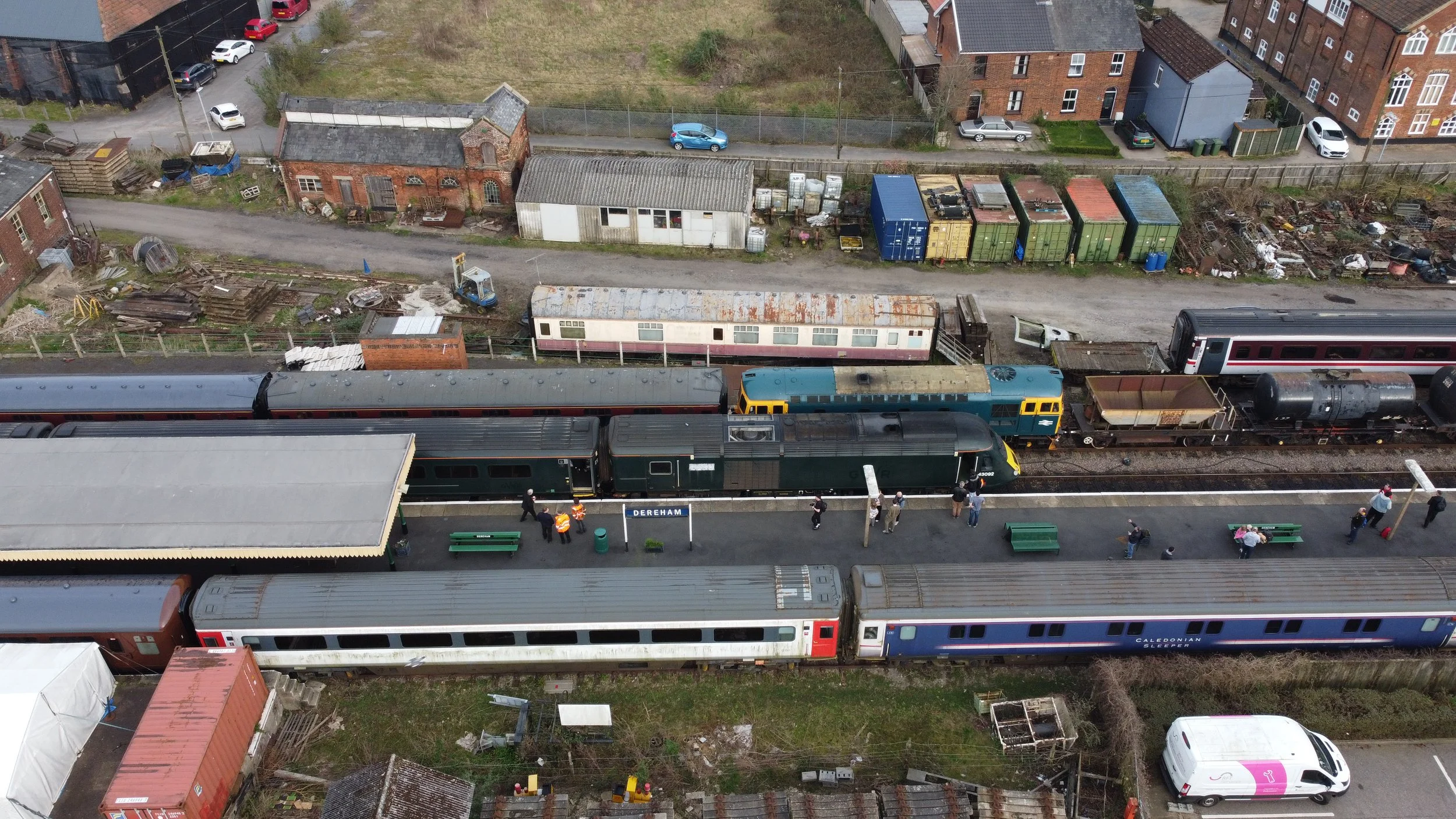
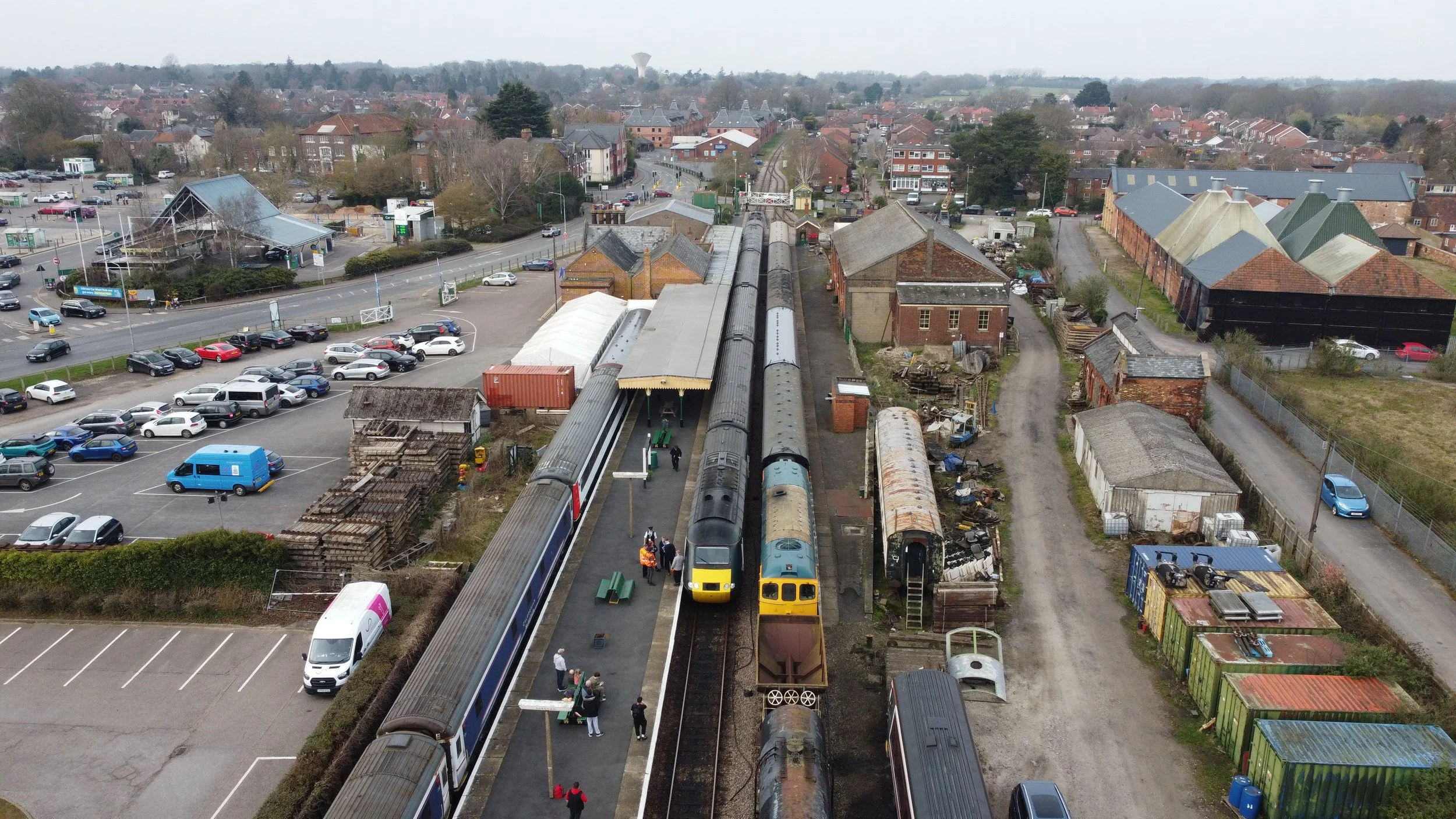
On Sunday, 22.3.26, the Mid Norfolk railway and the Romic group ran 43092-43093 on a special HST running day between Dereham and Wymondham.
Drone footage at Dereham.
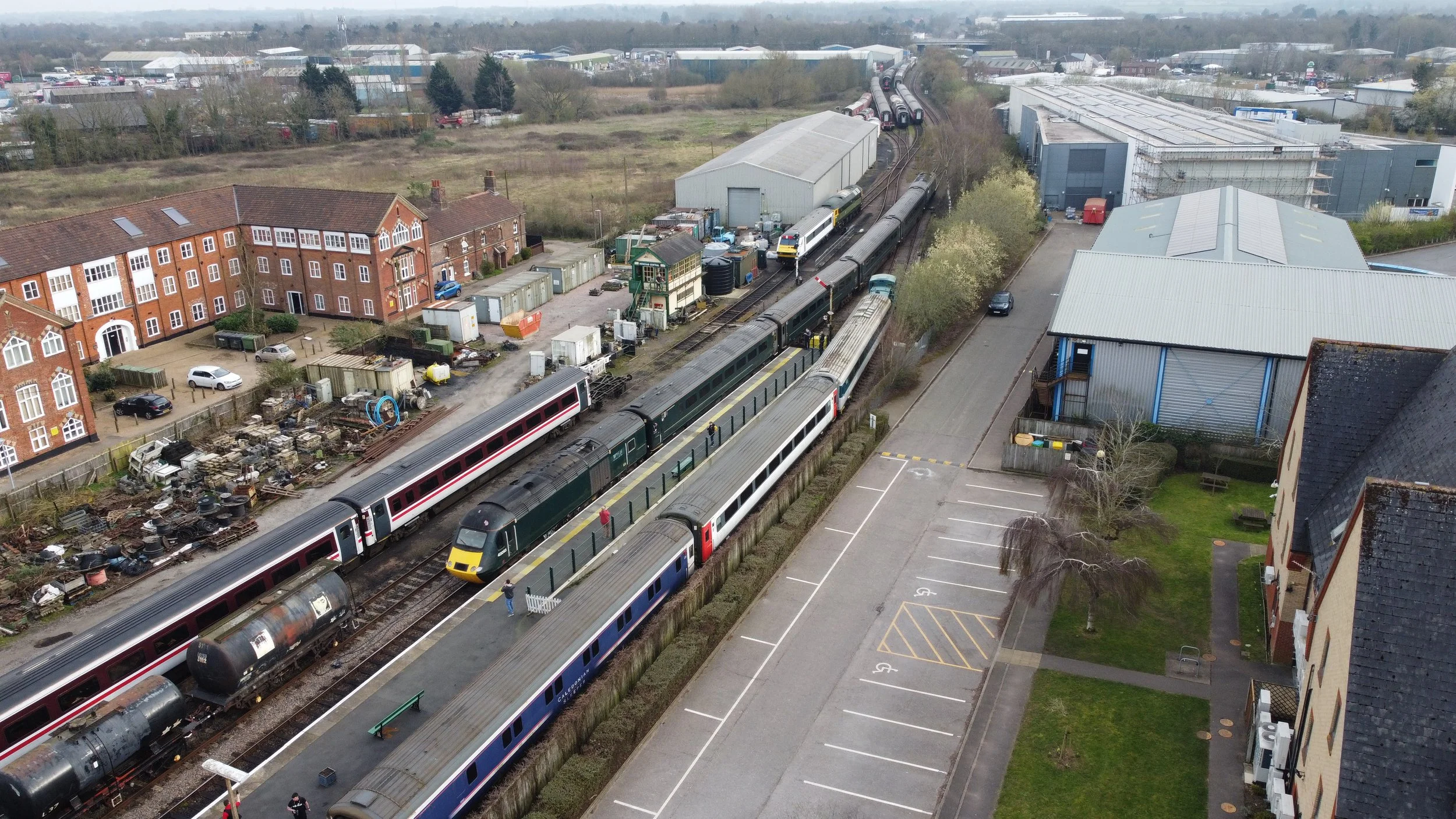
Wymondham Abbey.
Random parts.
BR MK3 Ex-43 carriage stock.
25th May 2025, whilst passing Kimberley Park sidings, I managed to photograph some of Romics Mk3 stock stored there.
The Mid Norfolk Railway is storing many items for the Romic Group along their heritage railway in the sidings at Kimberley Park.
The siding at Kimberley was constructed for the Mid Norfolk Railway to store Stadler-built units before they entered service along the Greater Anglia route.

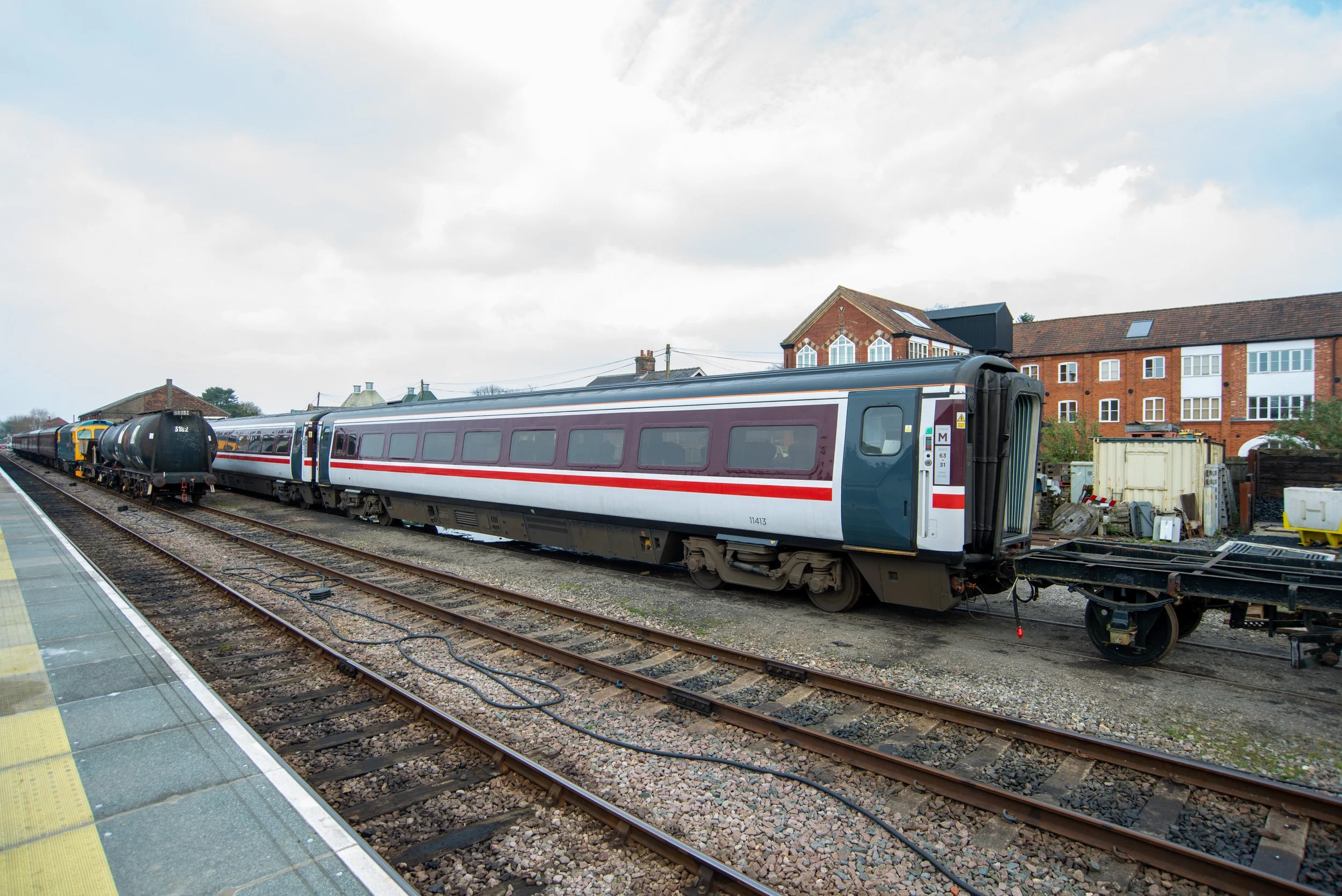
Mk 4 Romic stock at Dereham.
22.3.26 While visiting the Mid Norfolk railway, these Mk4 carriages had recently arrived and were in storage at Dereham.
Rail Tour
The Retro Norfolk Broadsman
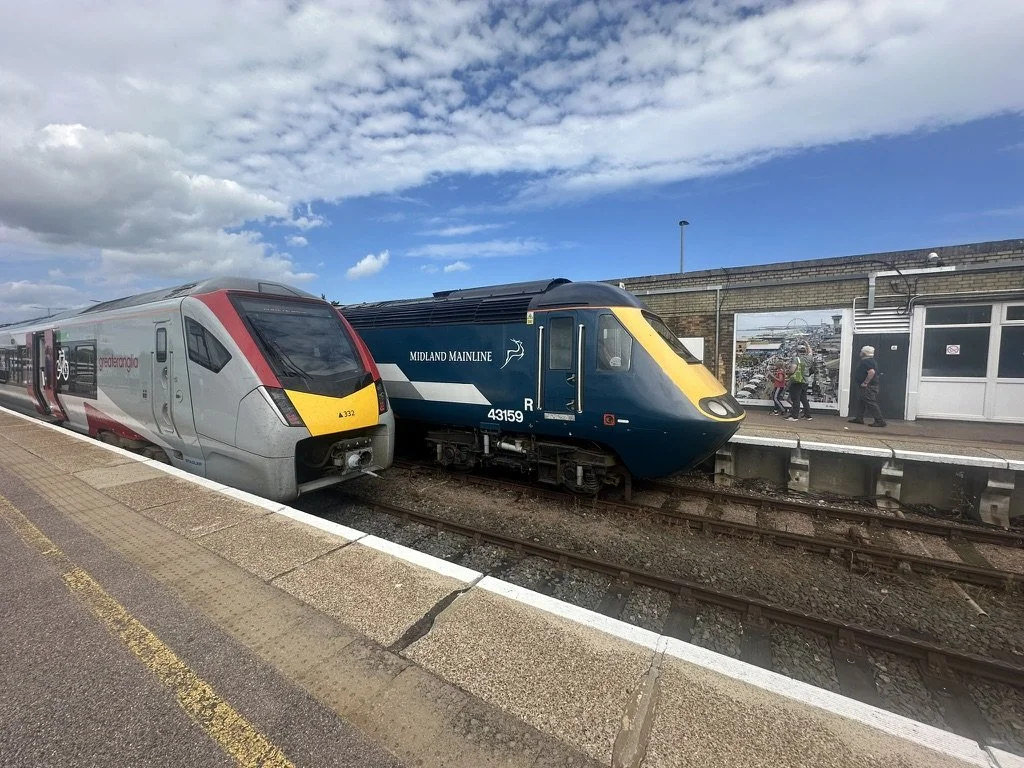
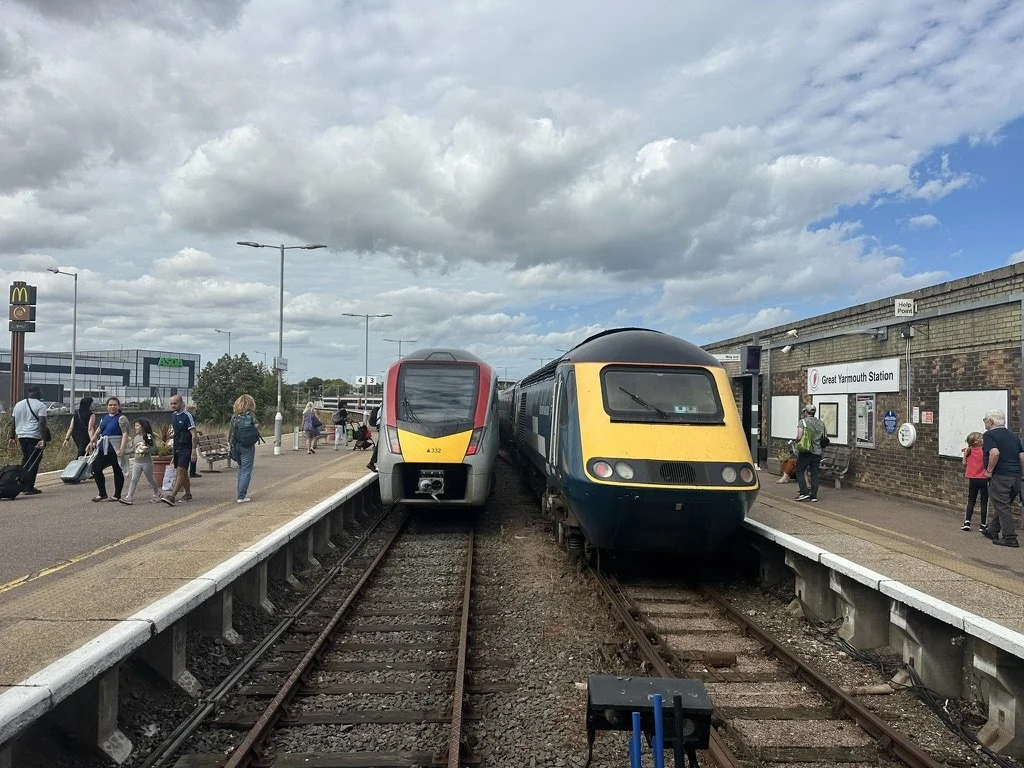
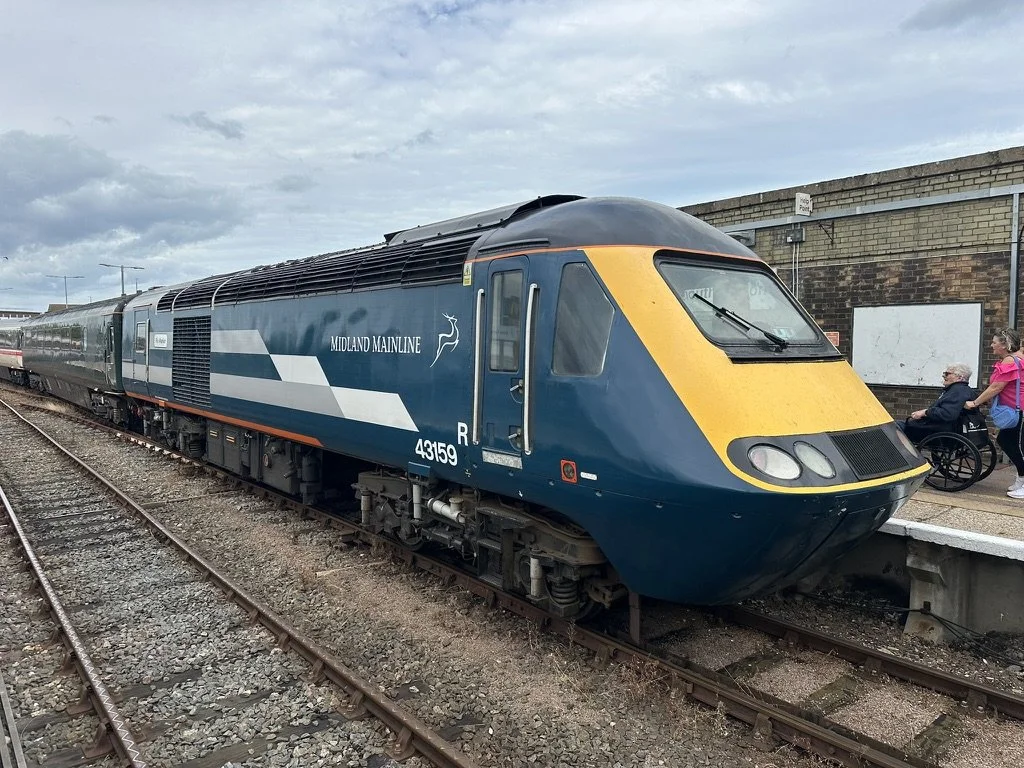
On the 30th of August, I caught part of an HST farewell trip by the Retro Rail group from Great Yarmouth to Norwich.
This service started at Crewe and allowed passengers to purchase tickets for part of the journey between Norwich and Great Yarmouth.
Great Yarmouth.
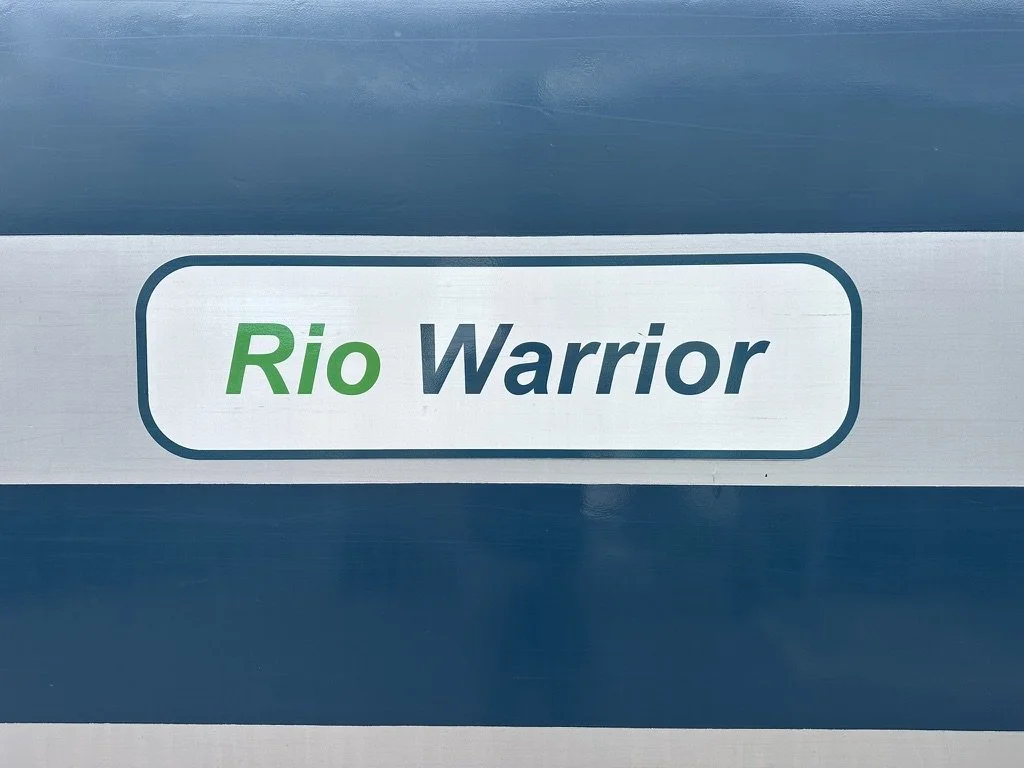
43159 Rio Warrior ex Midland Mainline.
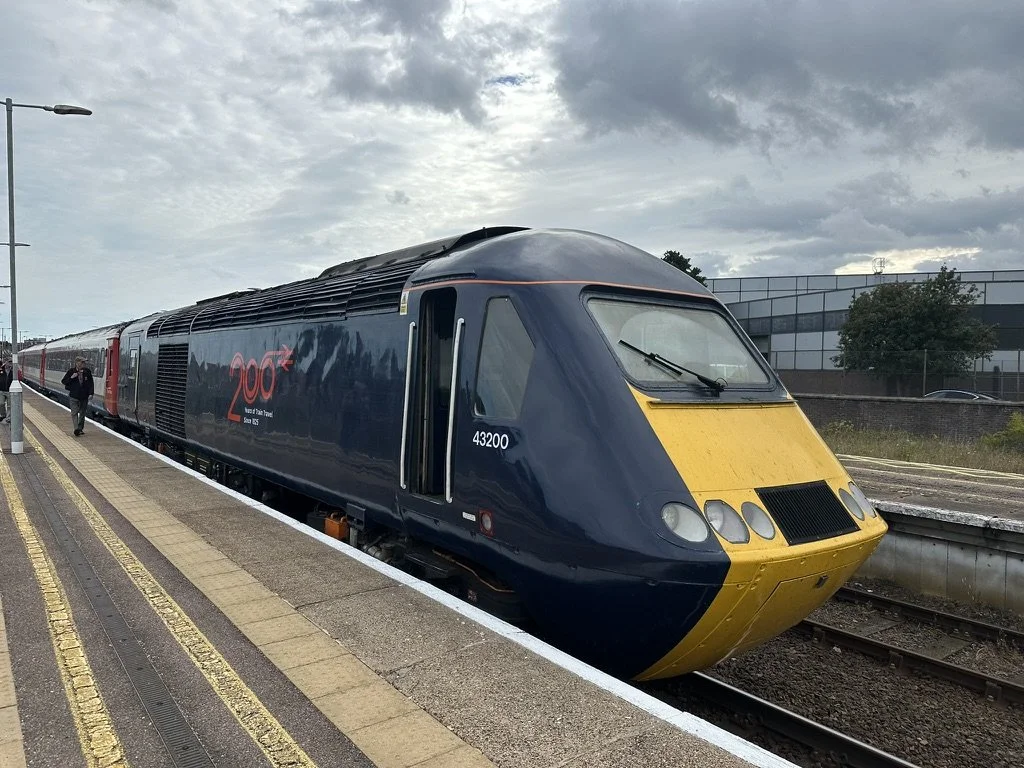
43200
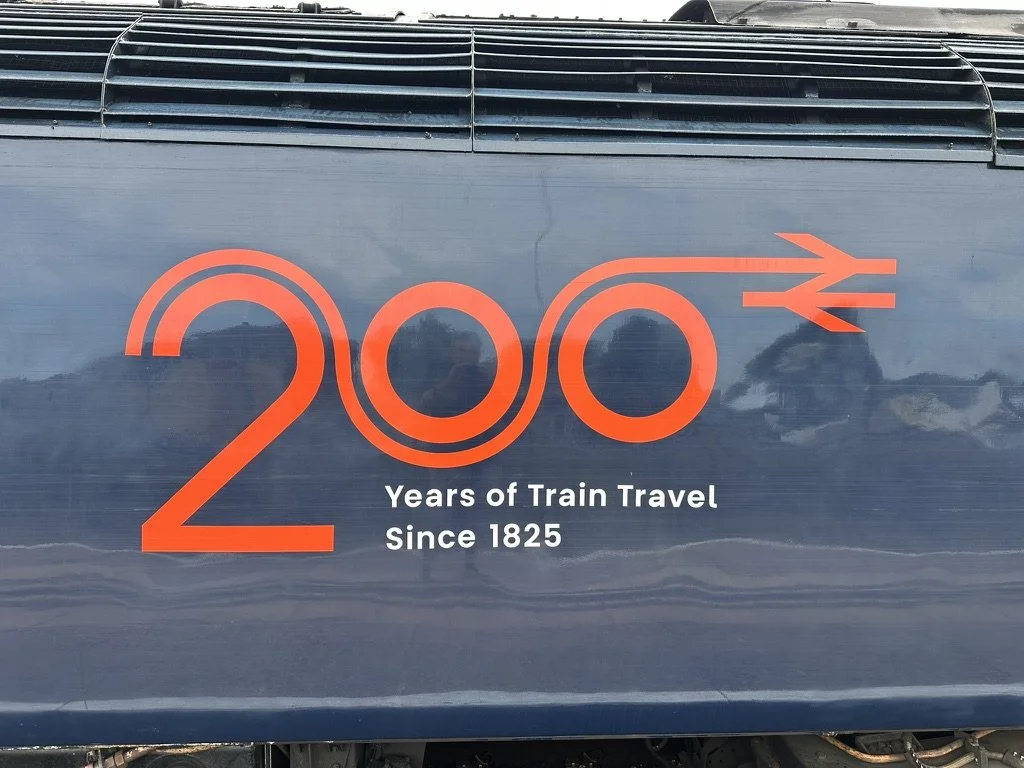
Rail 200
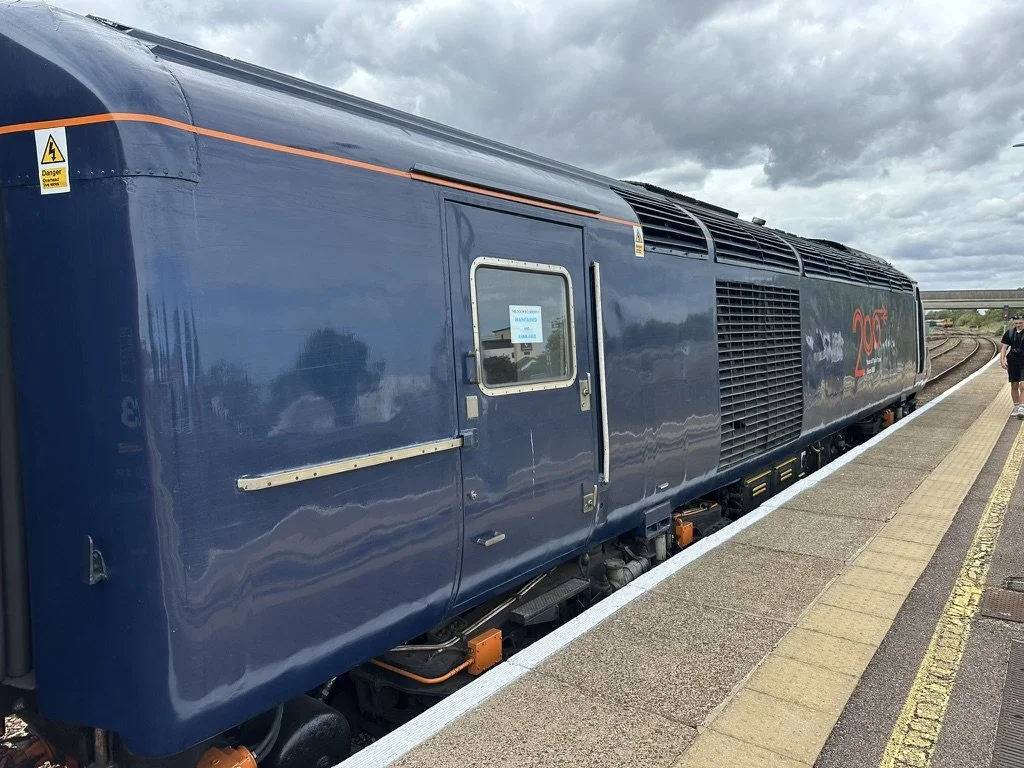
BR Mk3 slam door carriages.
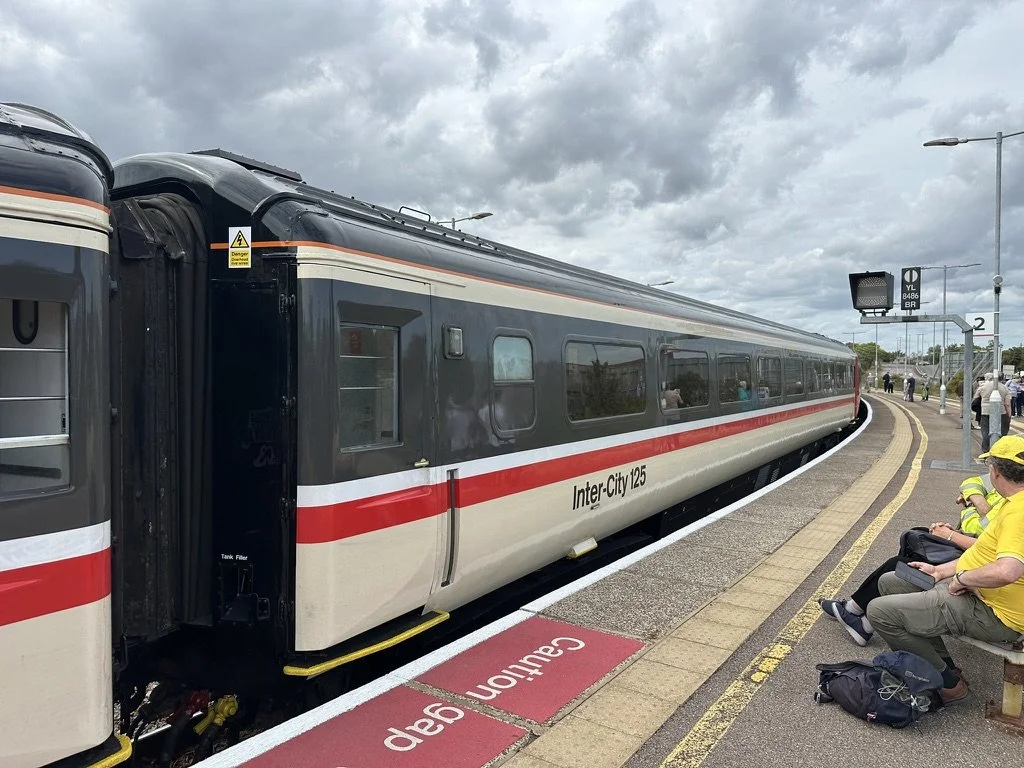
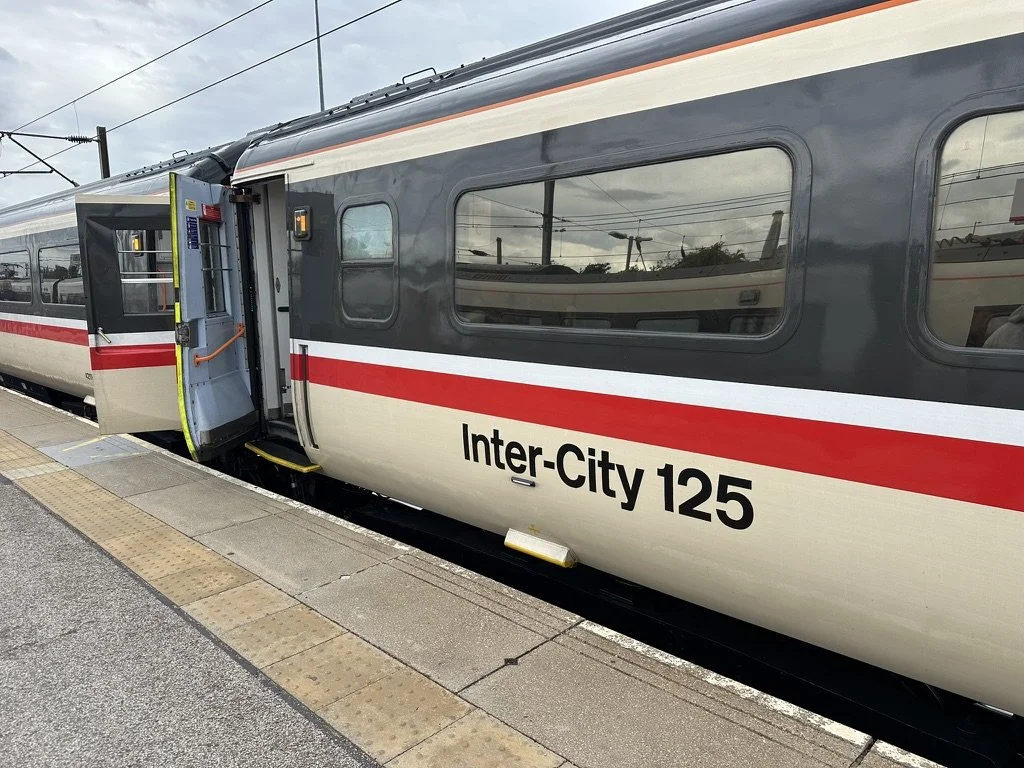
Norwich.
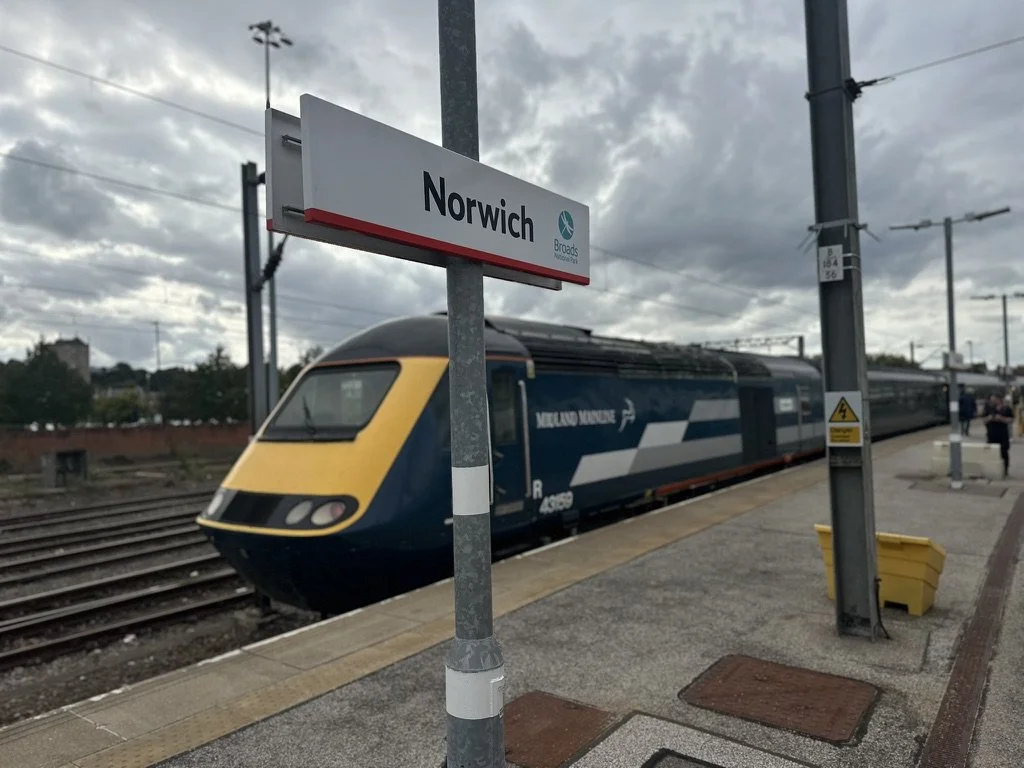
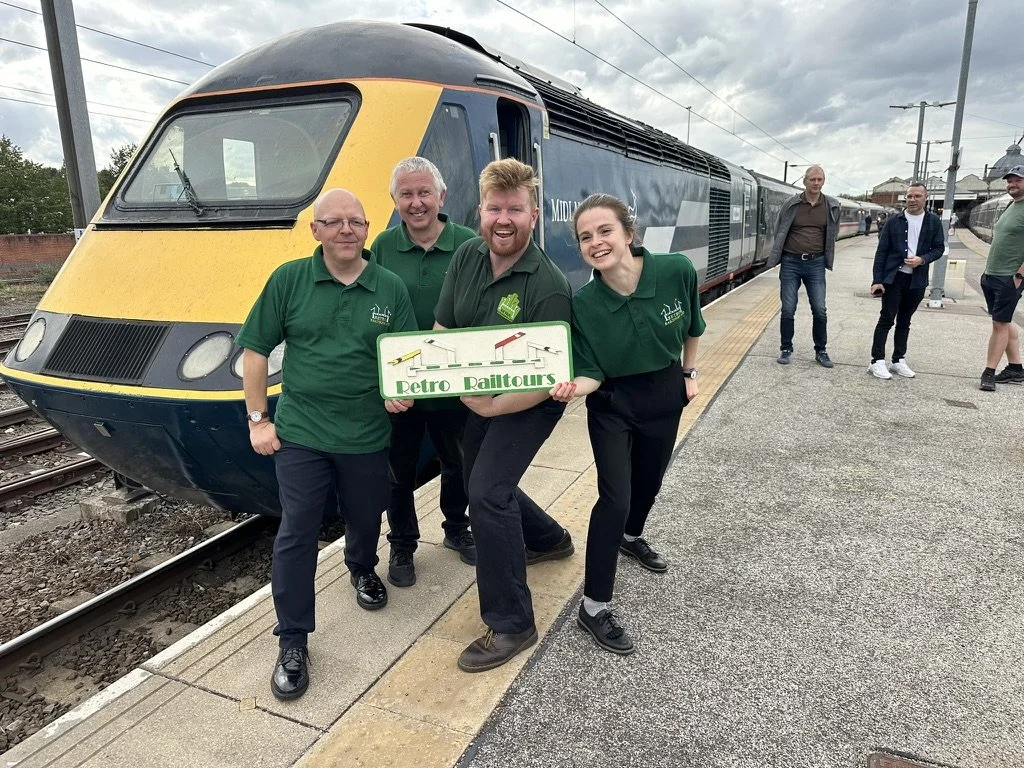
Leaving Norwich

If anyone has any missing numbers or pictures they would like to add, please feel free to contact me. Full credit will be given to the original contributor.

